Argentina, Part 4 – Salt Flats and Psychedelic Mountains
Salta
After Mendoza, we continued our journey north along the Andes. Our next destination was Salta, in the northwest corner of Argentina.
We had now traveled over 2000 miles north from our starting point in Ushuaia, and had gone from glaciers and tundra, to hot, arid desert.
A Taste of Colonial Argentina
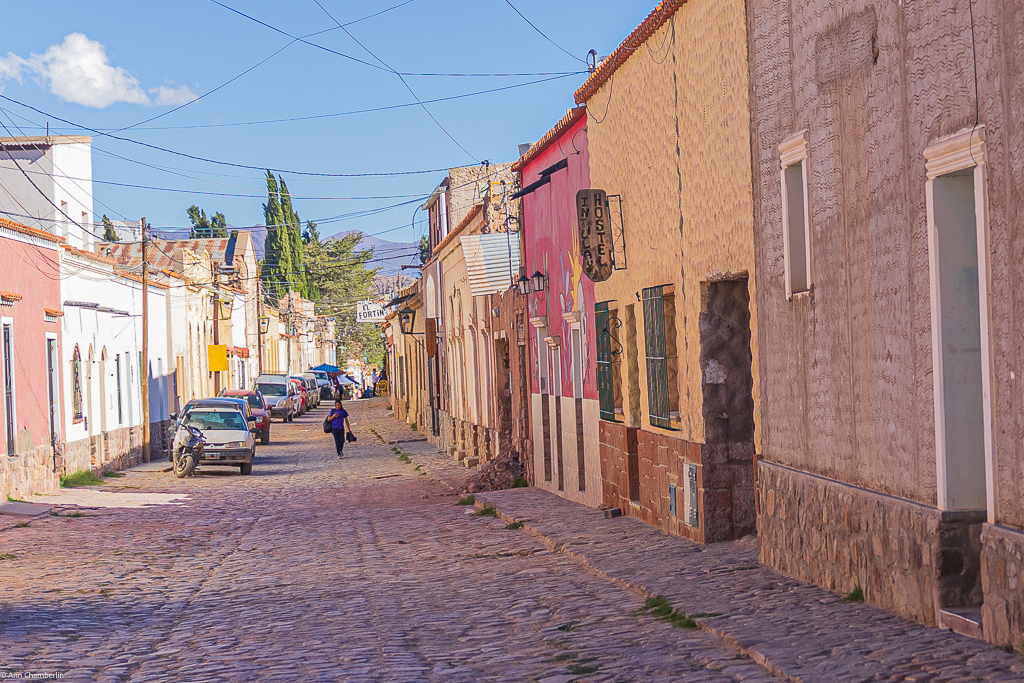
We had been hearing from many locals that the northwest of Argentina is very different from the rest of the country. Driving into central Salta from the airport, we could immediately see that it didn’t look like the other places we had visited in Argentina. Instead, it looked like many other colonial Spanish cities throughout Central and South America.
When Argentina gained its independence from Spain in the 19th Century, they made an effort to distance themselves from their colonial roots. In part, they did this by adopting food, art, architecture, and other things from other parts of Europe. During the 19th and early 20th Centuries, Argentina actively promoted immigration from Europe, with millions of people from all over Europe subsequently settling in Argentina. Because land was plentiful, cheap and sparsely populated, many of these new arrivals left Buenos Aires and settled throughout the country, often displacing indigenous peoples and cultures along the way. We had seen signs of this in the architecture of places like Bariloche, with its Alpine influence, and Buenos Aires, which resembles Paris.
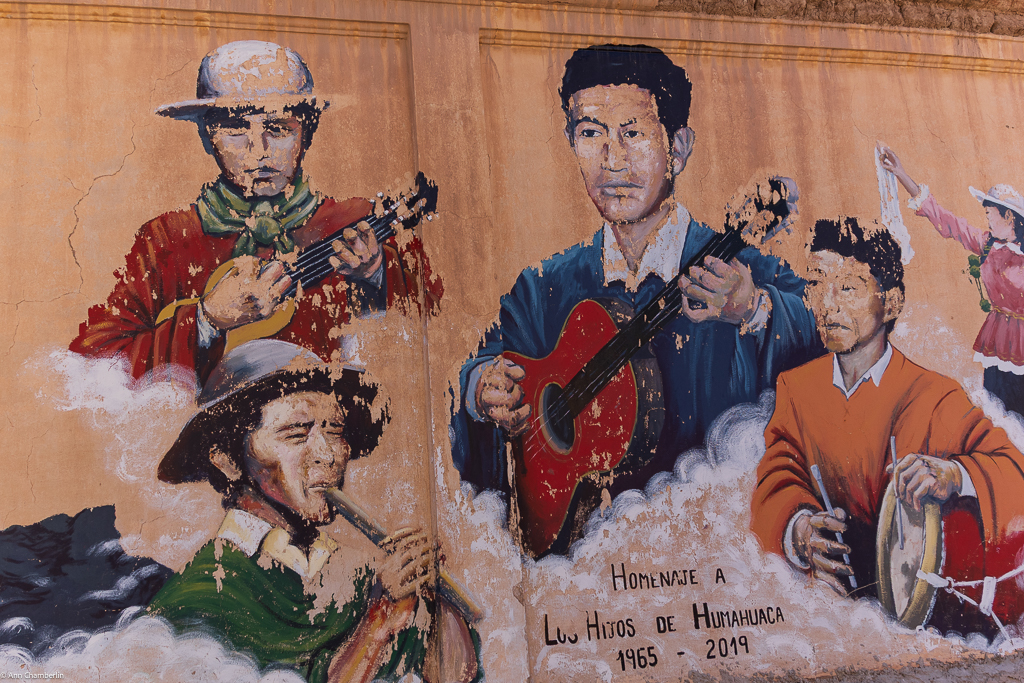
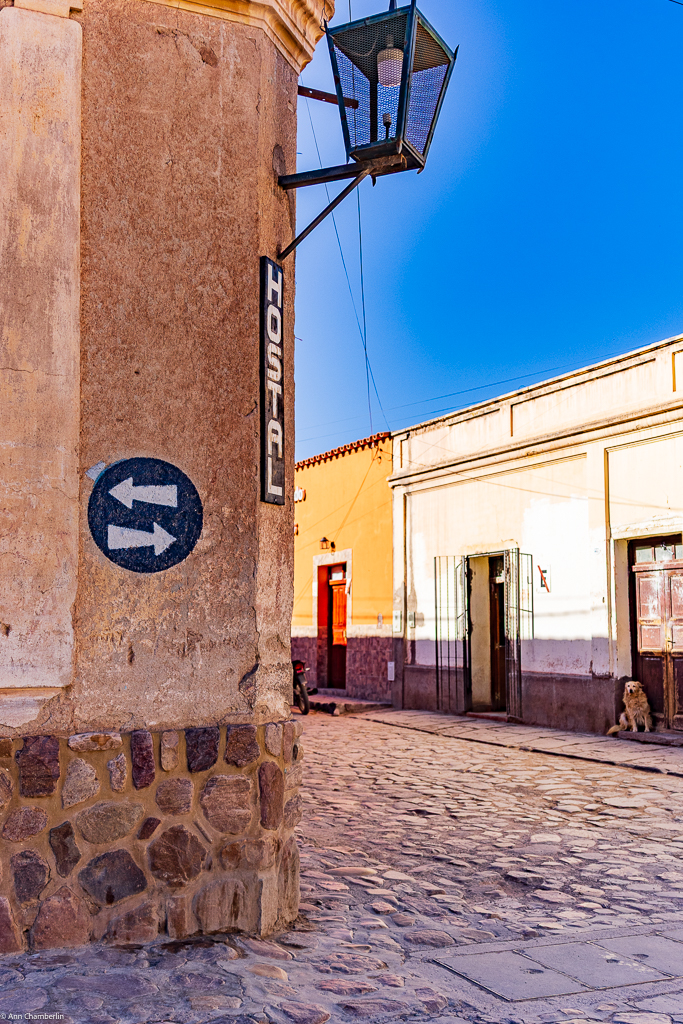
Today, the northwest corner of Argentina is the only part of the country where indigenous peoples or mixed Spanish/indigenous make up a majority of the population. Here, they maintain their ties to their colonial past, with a unique culture that is a blend of Andean and Colonial Spanish. This was strongly reflected in the architecture of the towns in the region, like Salta, Cafayate, Purmamarca and Humahuaca.
Cafayate and the Quebrada de las Conchas
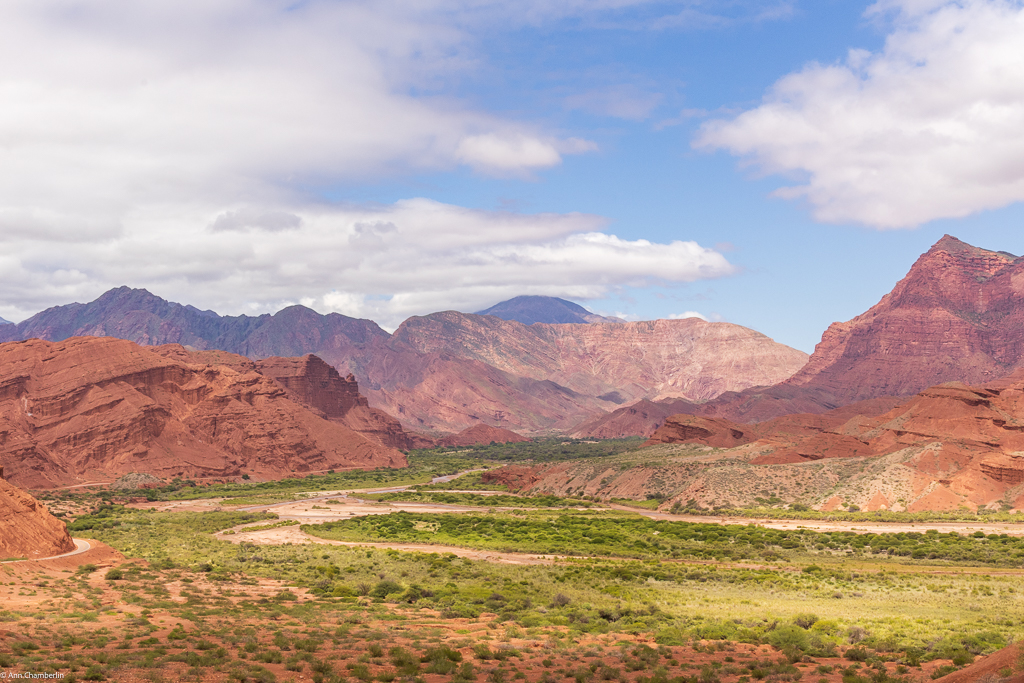
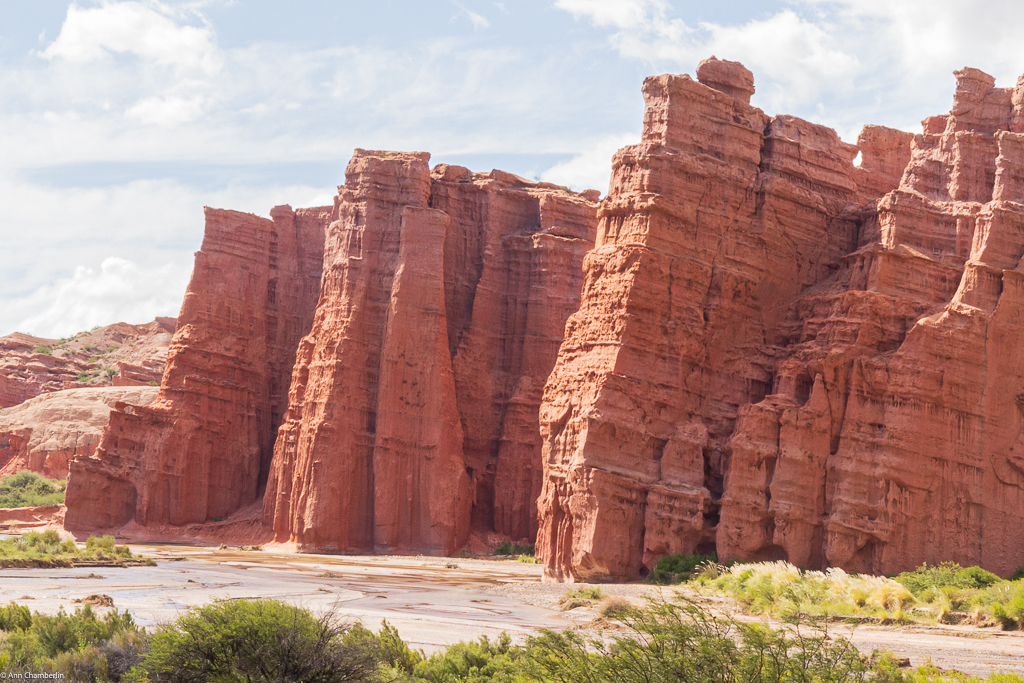
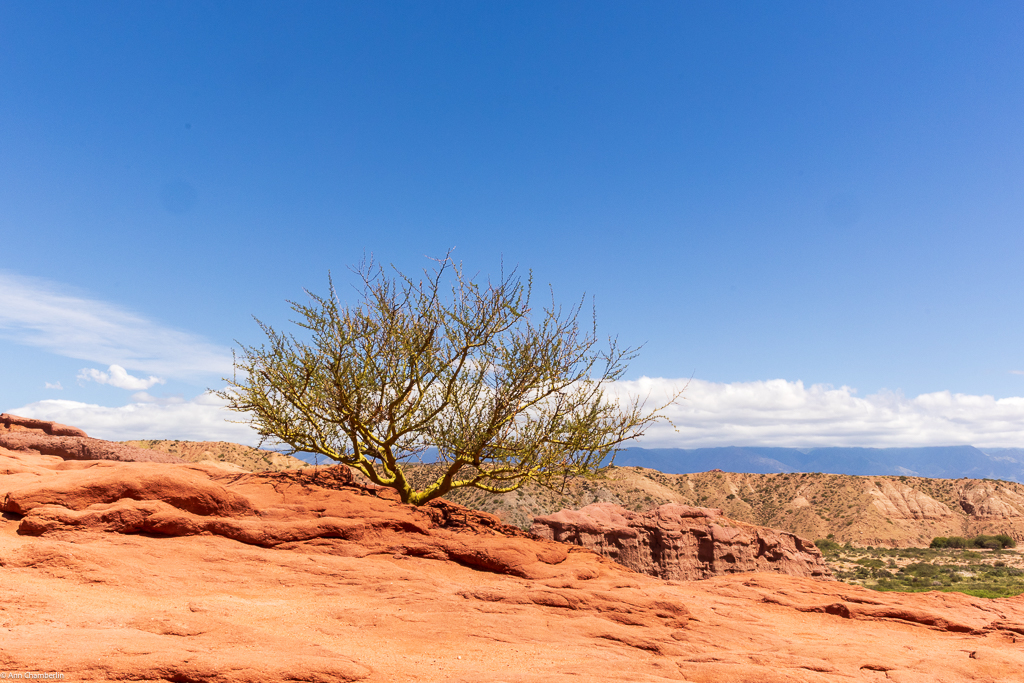
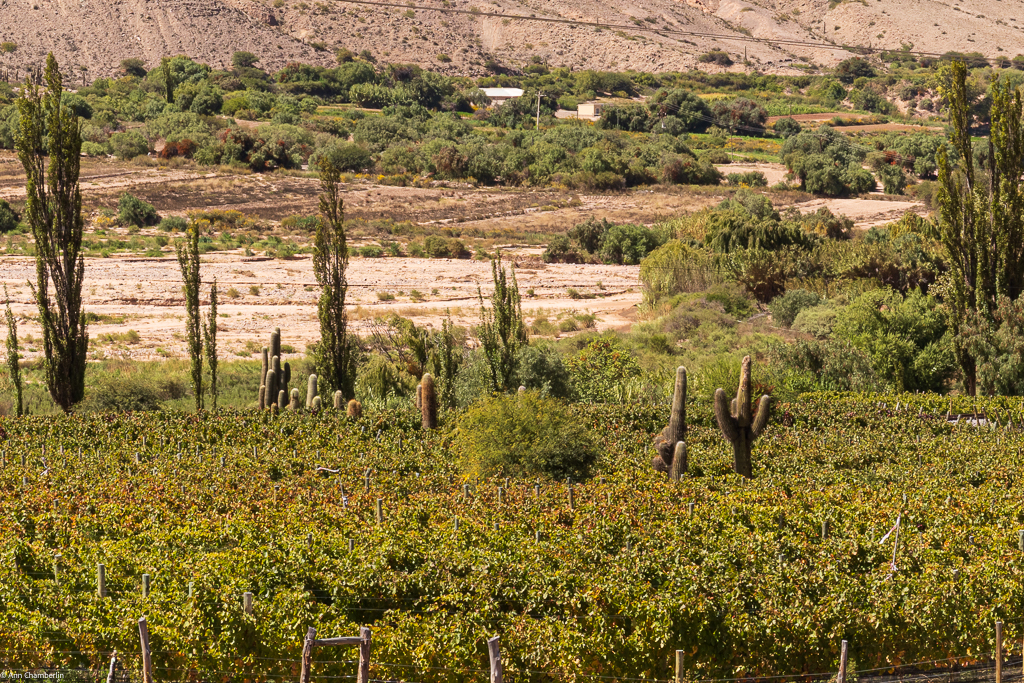
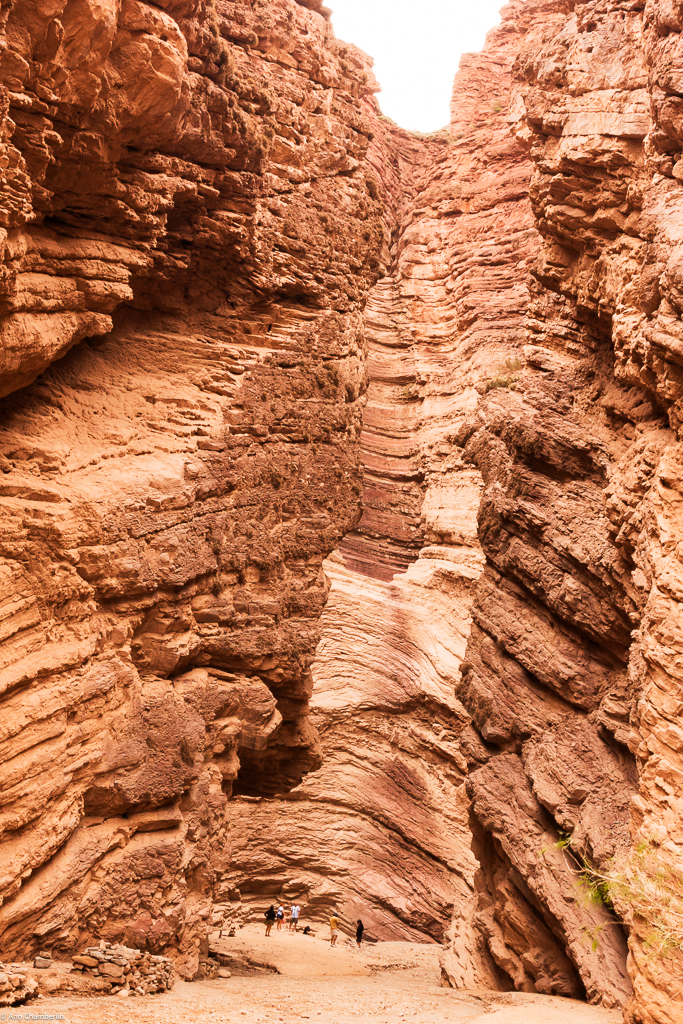
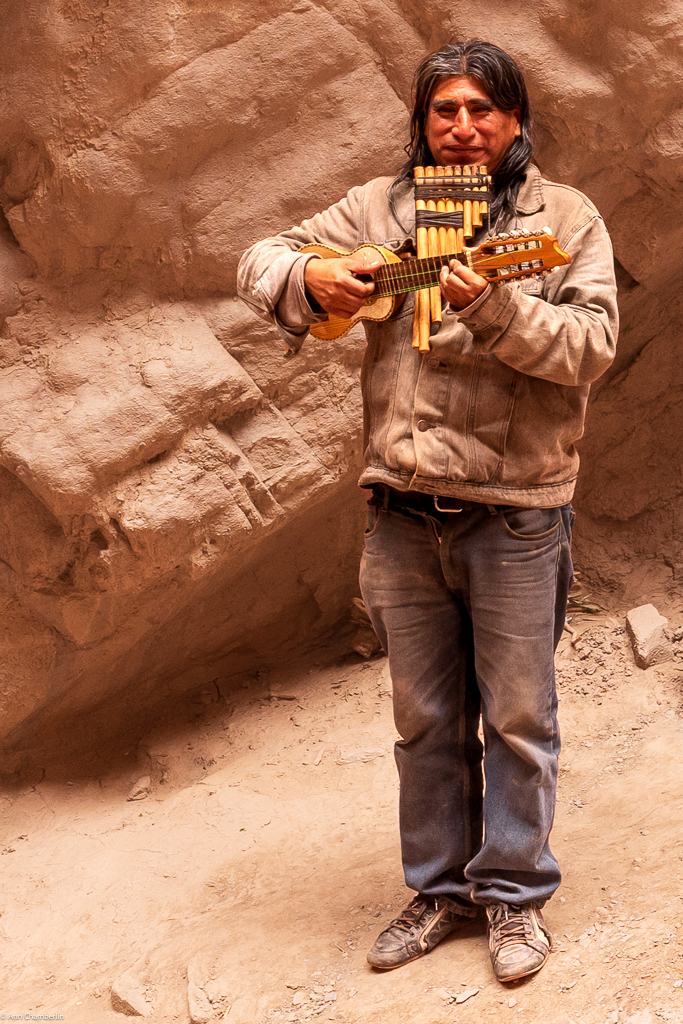
From our base in Salta, we first went south. After a long drive through the colorful Quebrada de las Conchas, or Shells Gorge, we arrived at the town of Cafayate, in the Calchaquí Valley. This region is another high altitude wine growing area that is best known for their Torrontés wine, Argentina’s only native wine grape. Torrontés is also sometimes called the “liar’s” wine, because it is very sweet on the nose, but crisp and dry on the palate.
Jujuy and Psychedelic Mountains
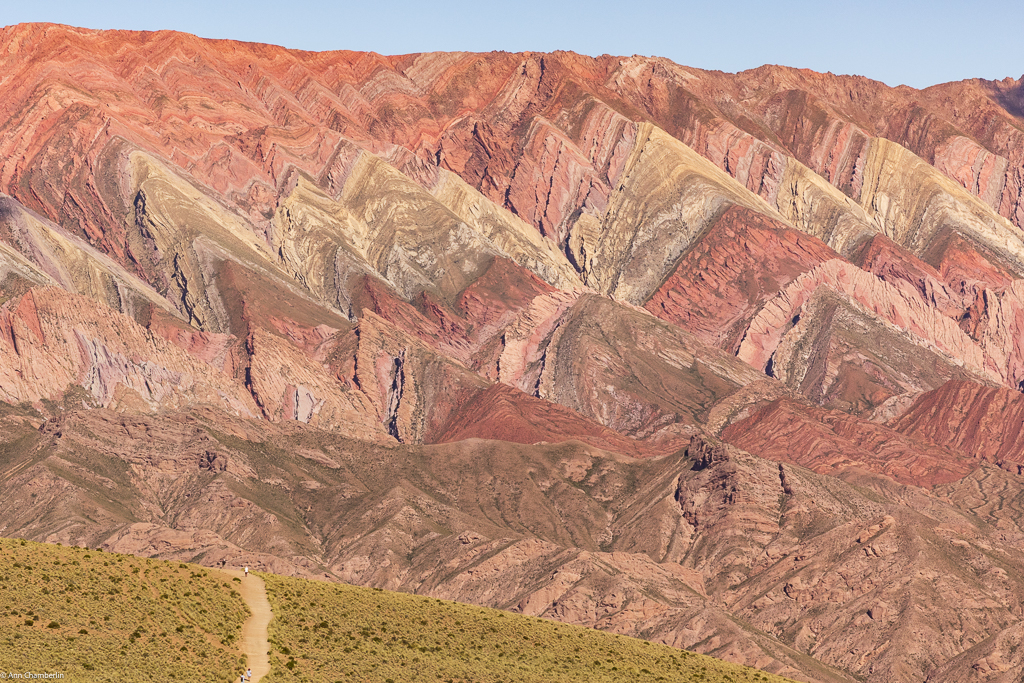
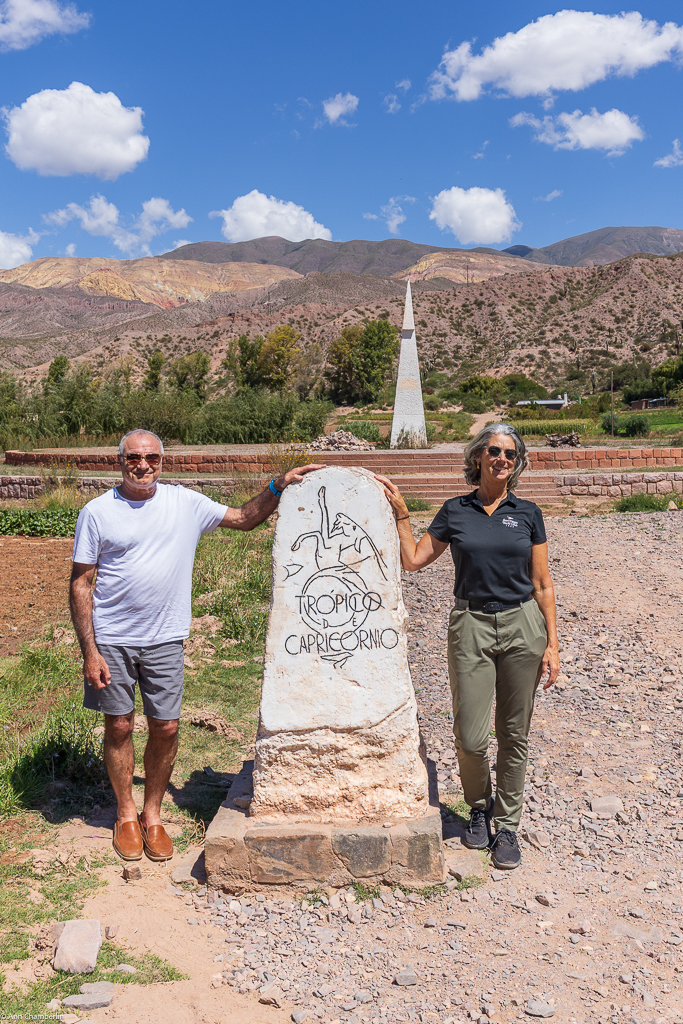
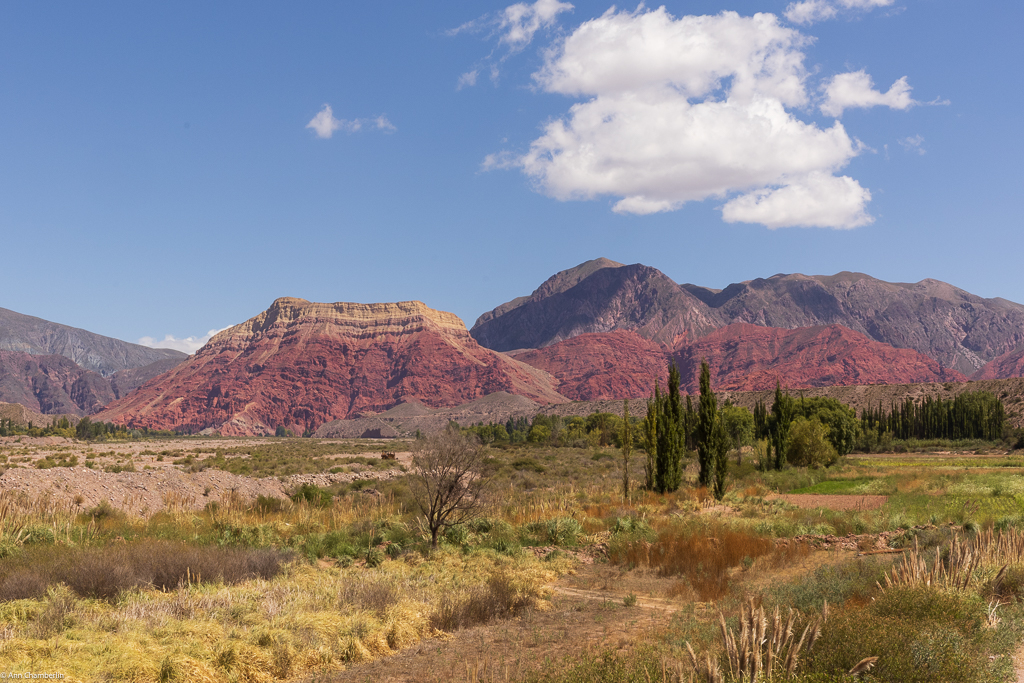
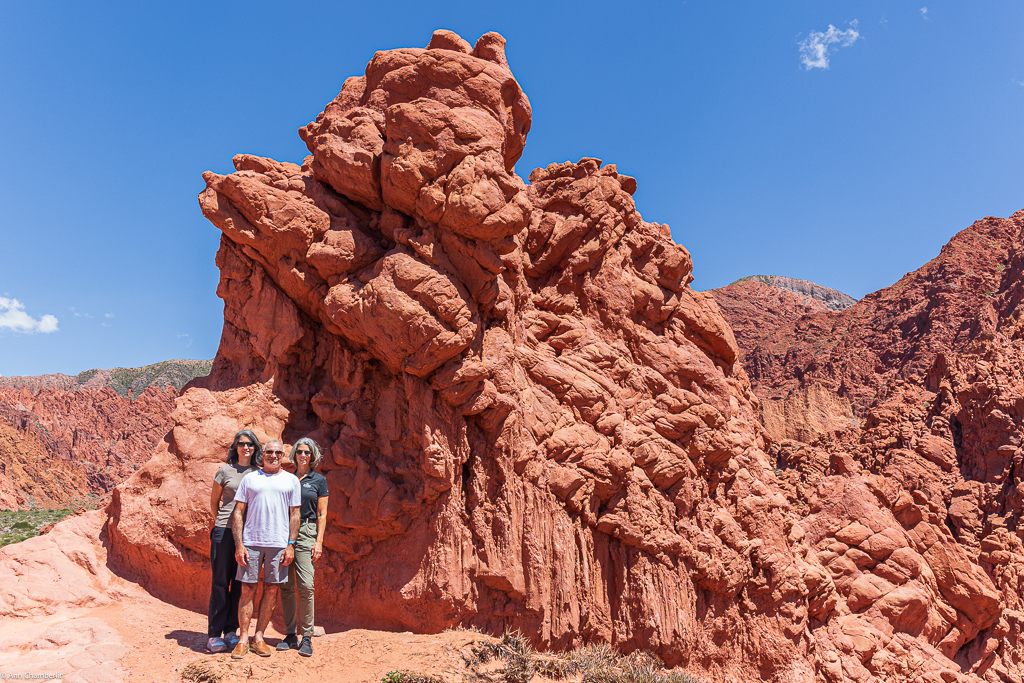
Heading north out of Salta, we drove into Jujuy, Argentina’s northernmost province. Here, the landscape becomes arid desert, but with a riot of colors in the hills and mountains.
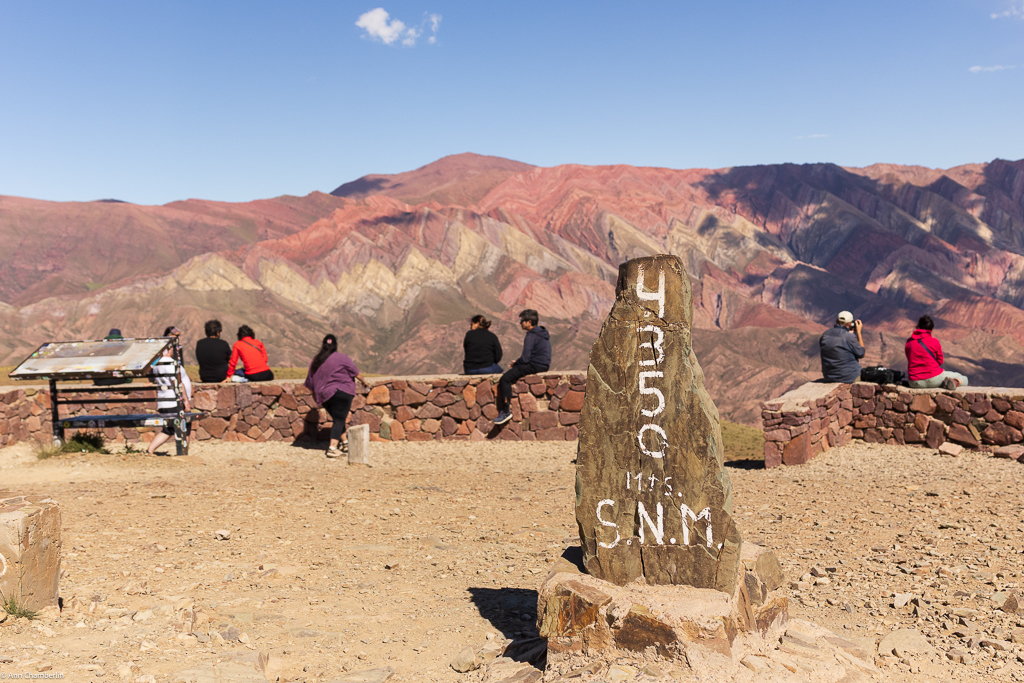
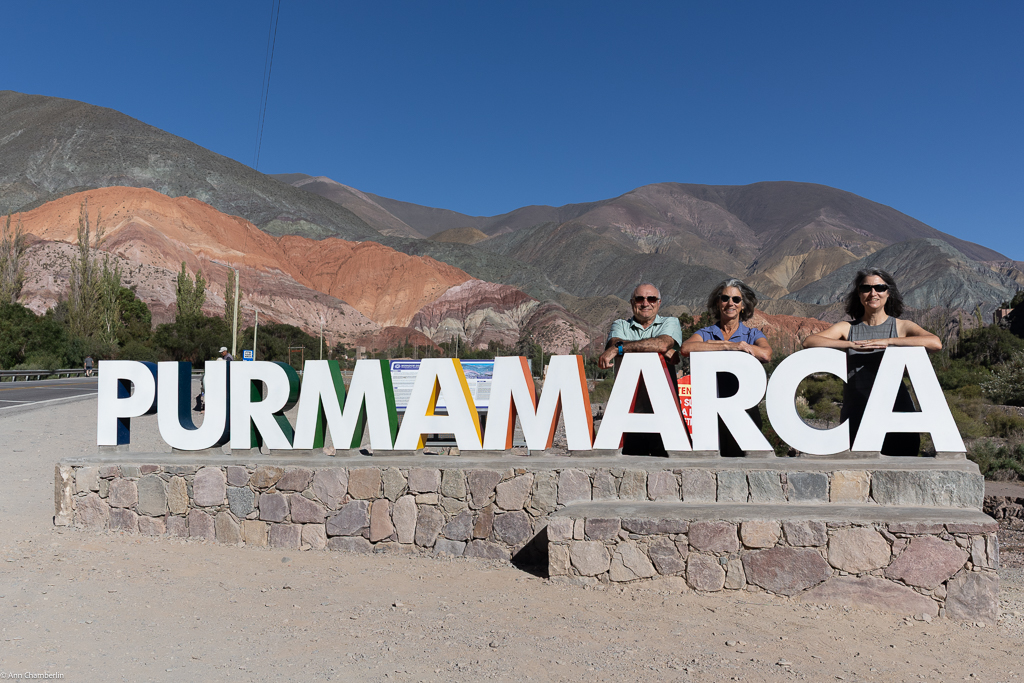
For decades, the main attraction for visitors to this area was the Hill of Seven Colors, just outside the little village of Purmamarca. This UNESCO World Heritage site is both beautiful and fascinating. However, just a few years ago, a new attraction was opened up for visitors. Called the Serraniá de Hornocal, it boasts a mountain of 14 colors and is much more spectacular than Purmamarca’s Hill of Seven Colors. The viewpoint for the mountain sits at 14,000′ above sea level, taking your breath away literally and figuratively!
Salinas Grandes
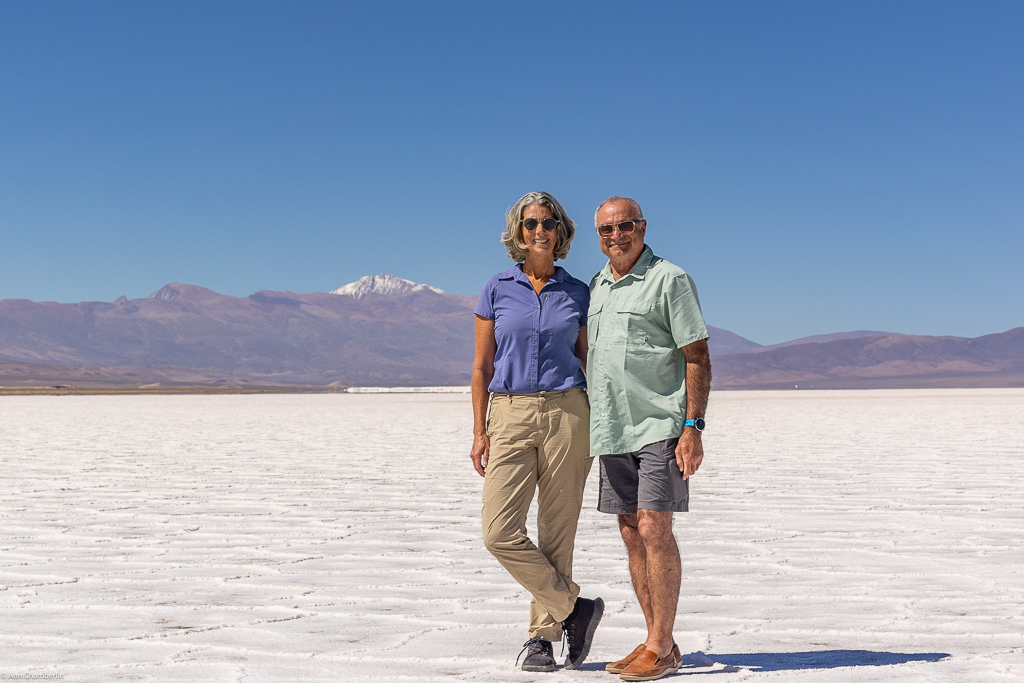
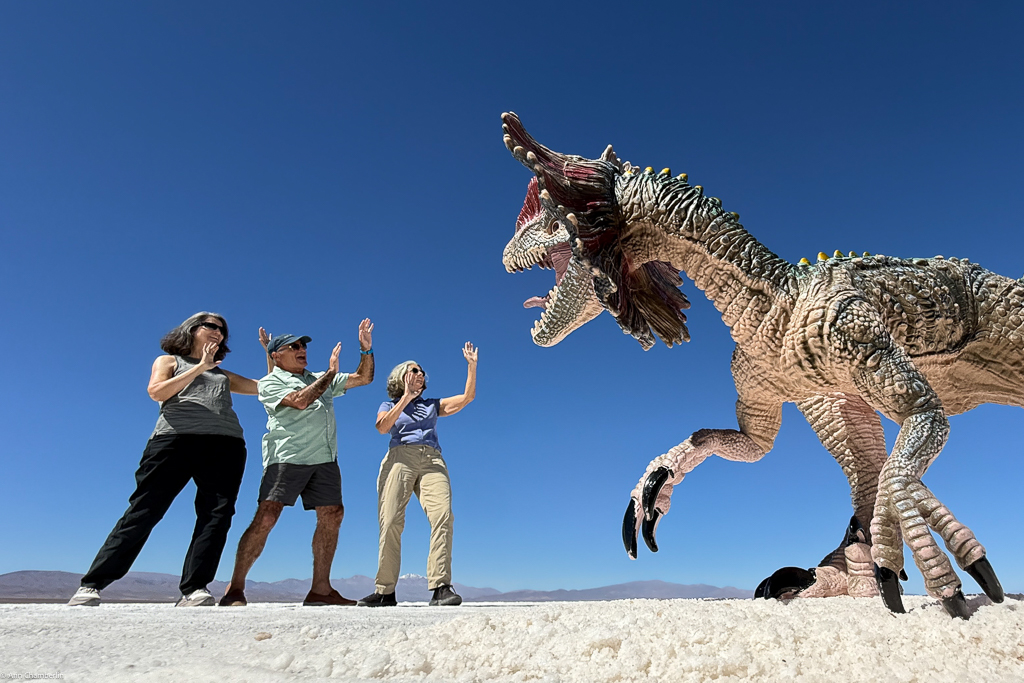
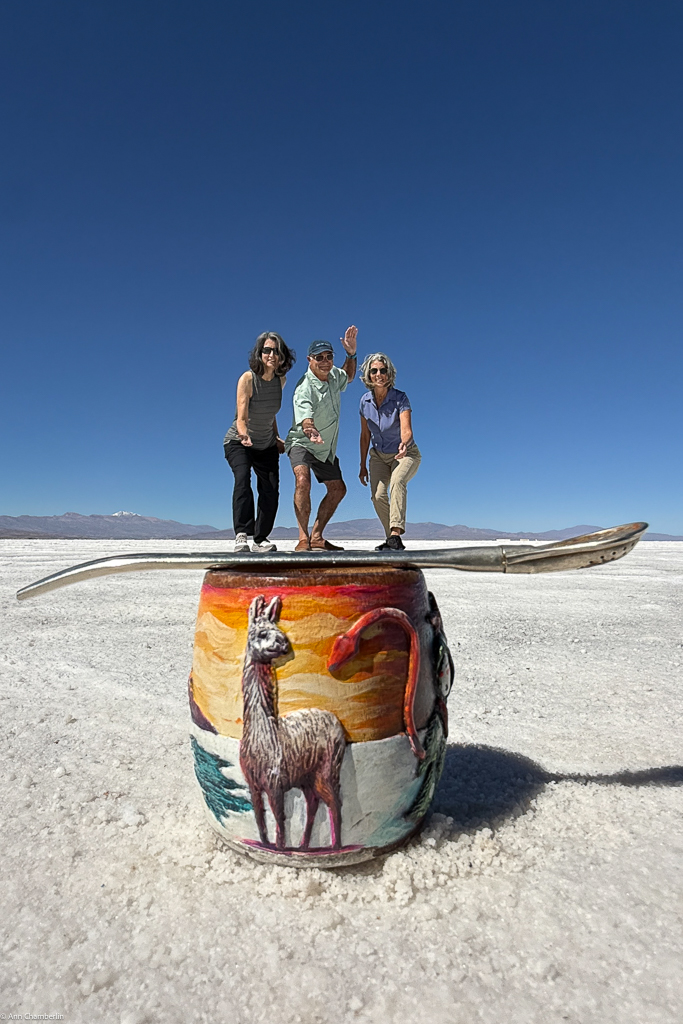
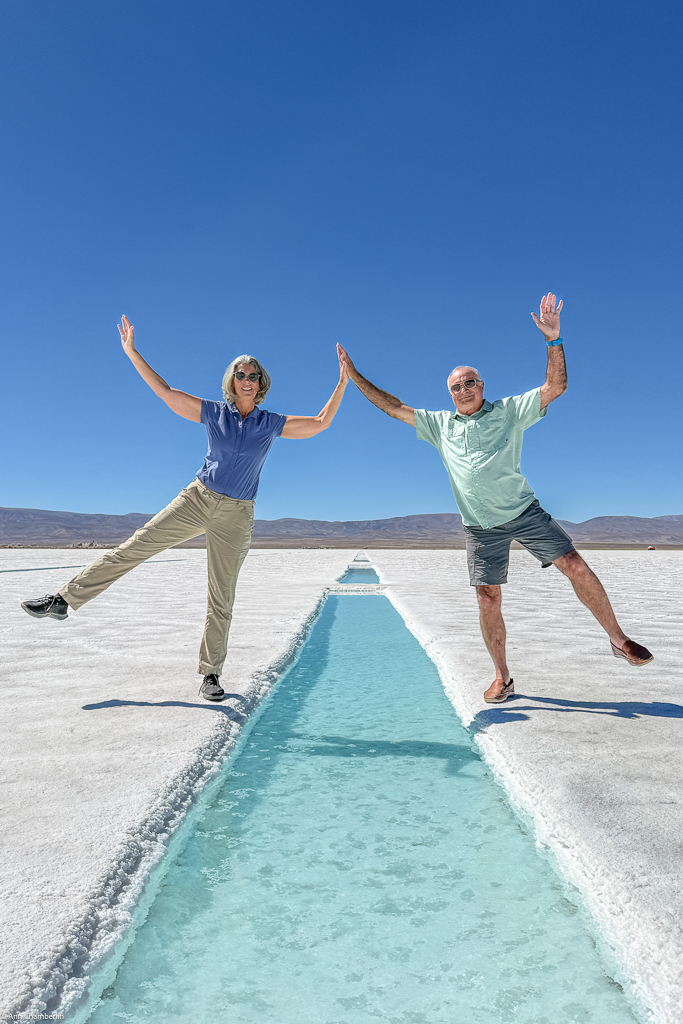
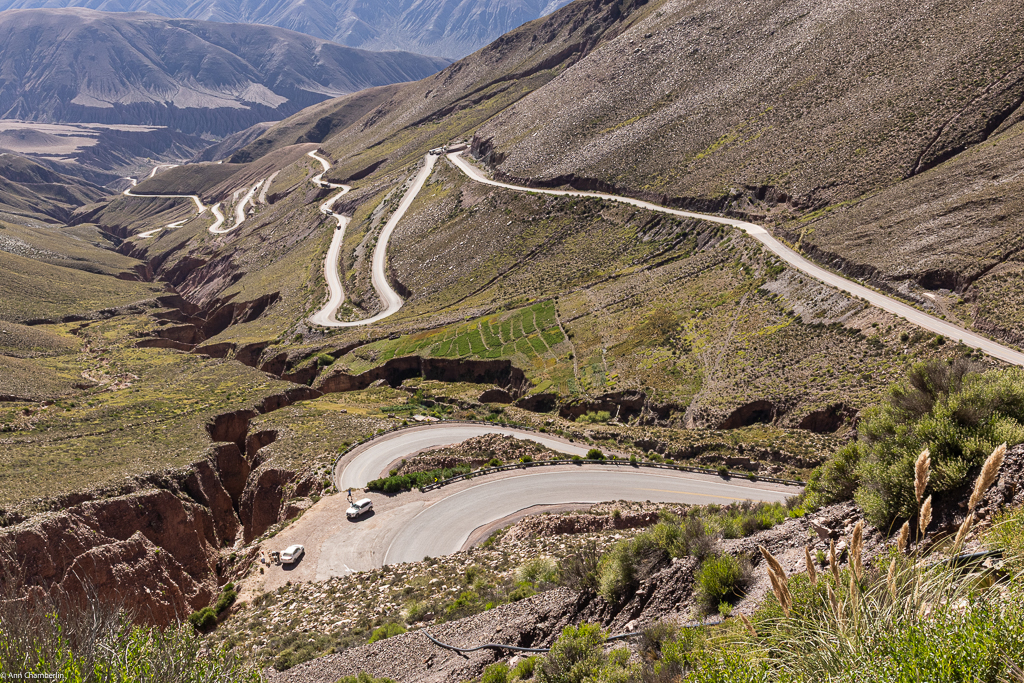
Heading west over the mountains from Purmamarca, our final stop in Jujuy was the Salinas Grandes. These salt flats are not far from the famous Salar de Uyuni in Bolivia, but they’re much more modest in scale. The road to the salt flats was a tortuous, narrow mountain road with dozens of switchbacks and hairpin turns. Amazingly, the road is also a major thoroughfare for cargo going to landlocked Paraguay from Pacific ports in Chile..
Peñas
A lot of people told us that for a truly authentic Salta experience, we had to go to a Peña. A Peña is a restaurant/dance hall where people go for an evening of food, music and dance. Nowadays there are peñas geared for tourists, but they’re more like dinner theater with professional performers. We wanted the real thing.
After asking around, we finally settled on one and were told they opened at 9 PM. Being the dumb gringos we are, we showed up at 9…to an empty restaurant. By 9:30 some other people started filtering in and by 10, the band showed up. A young couple in costume started dancing to get things going, but it was well after 11 before the locals started joining in. This was just a typical weeknight.