Argentina, Part 3 – Bariloche and Mendoza
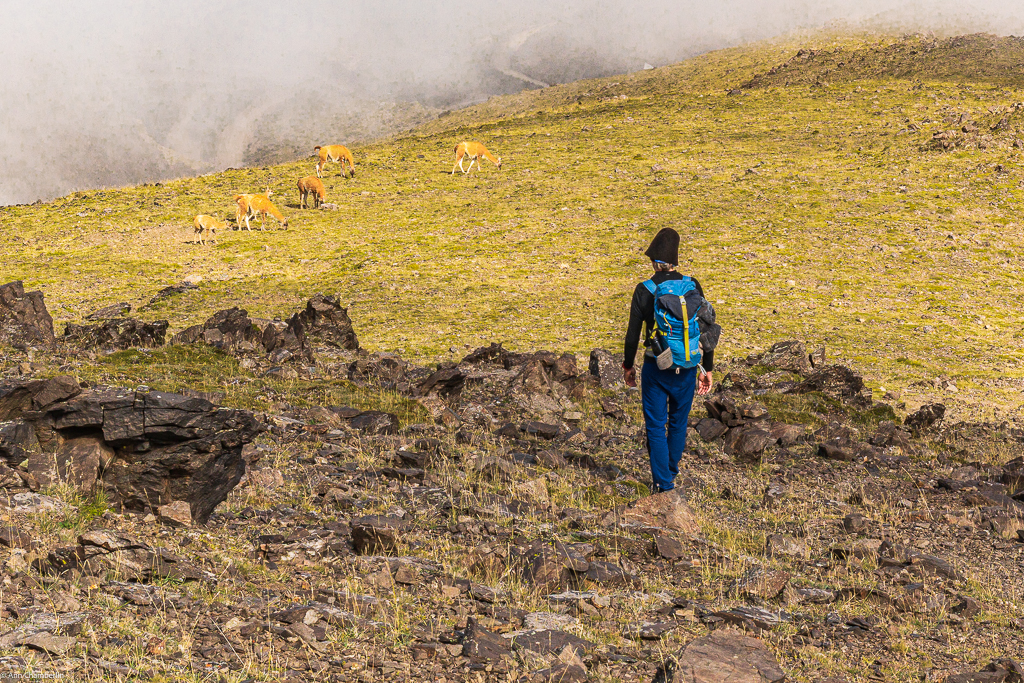
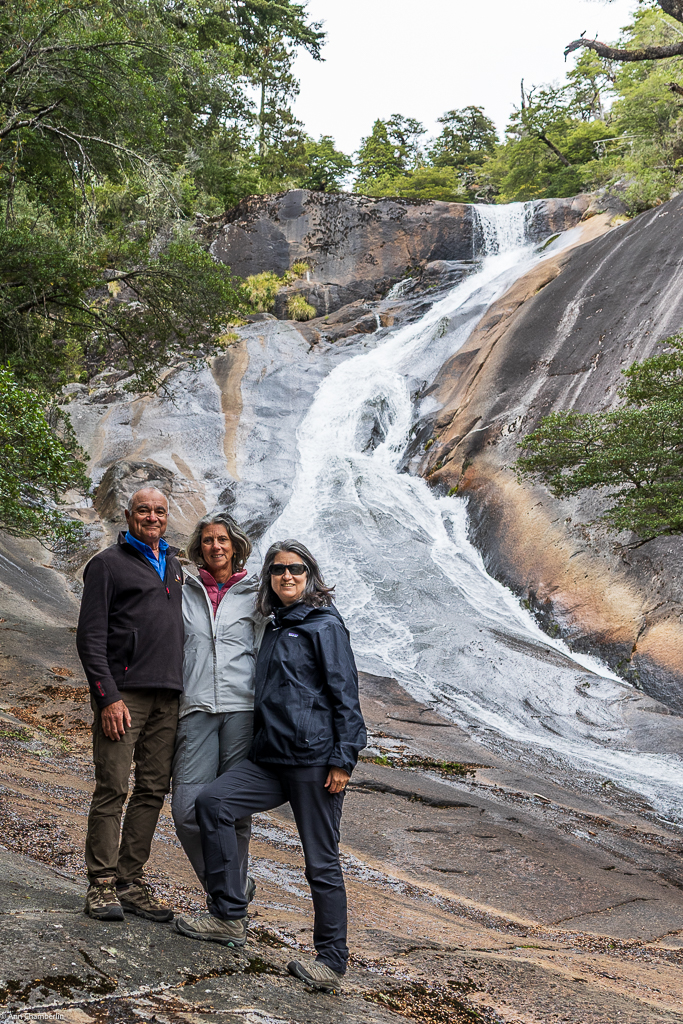
Leaving El Calafate, we continued heading north along the Andes. Our next stop was the town of San Carlos de Bariloche, or simply, Bariloche. Though we were still in Patagonia, this was no longer glaciers and barren, windswept plains. Nestled right up against the base of the Andes, Argentina’s lake region is covered by lush, dense forests.
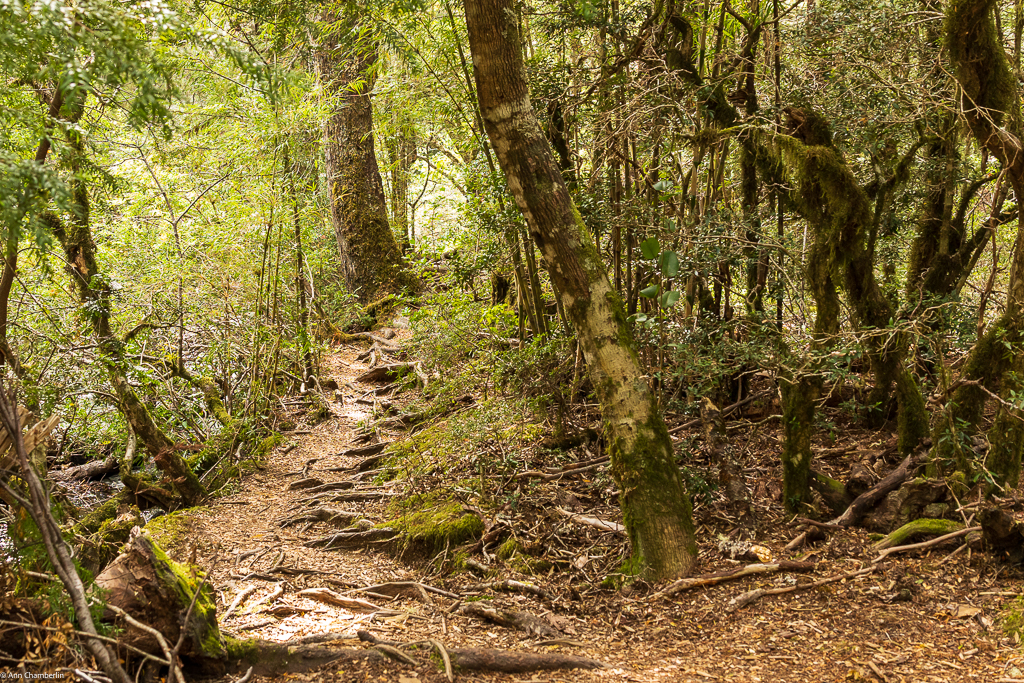
Bariloche
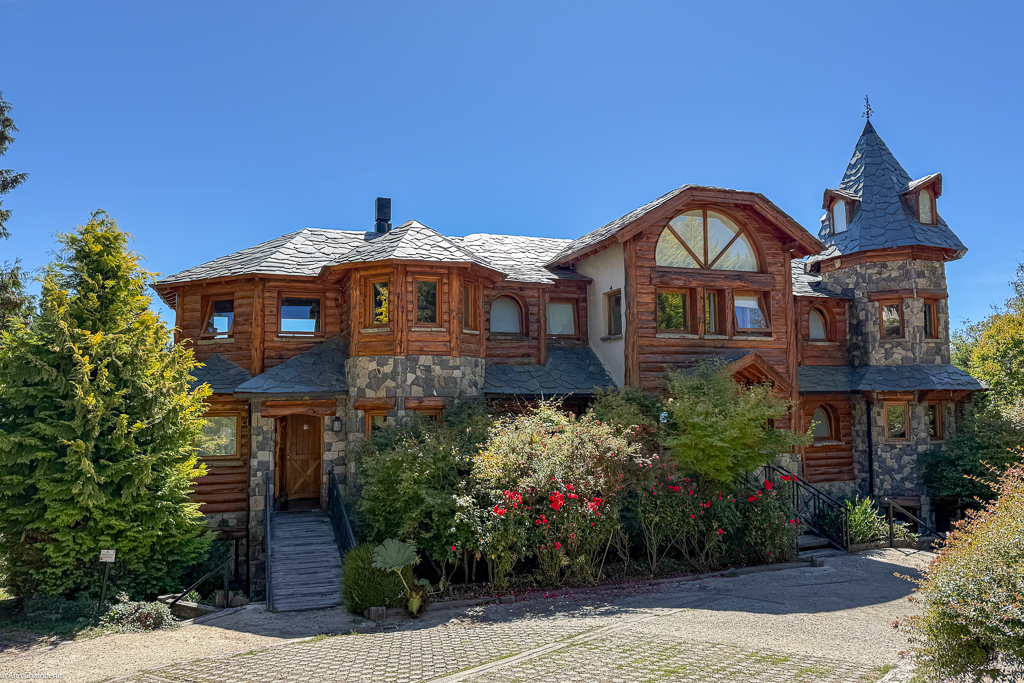
Driving in from the airport, your first impression is that the plane must have taken a wrong turn and landed in Switzerland, not Argentina. In the first half of the 20th century, most Argentinians could not easily travel to Europe. So instead, they brought a touch of Europe back to Argentina. They developed Bariloche into a resort destination for outdoor activities and built out the city using almost entirely Swiss Alpine architecture.
In keeping with the Swiss theme, Bariloche also became the center of artisan chocolate production. Today, Bariloche’s main street is lined with numerous little chocolate shops. There’s even one sharing a space with a large fitness center.
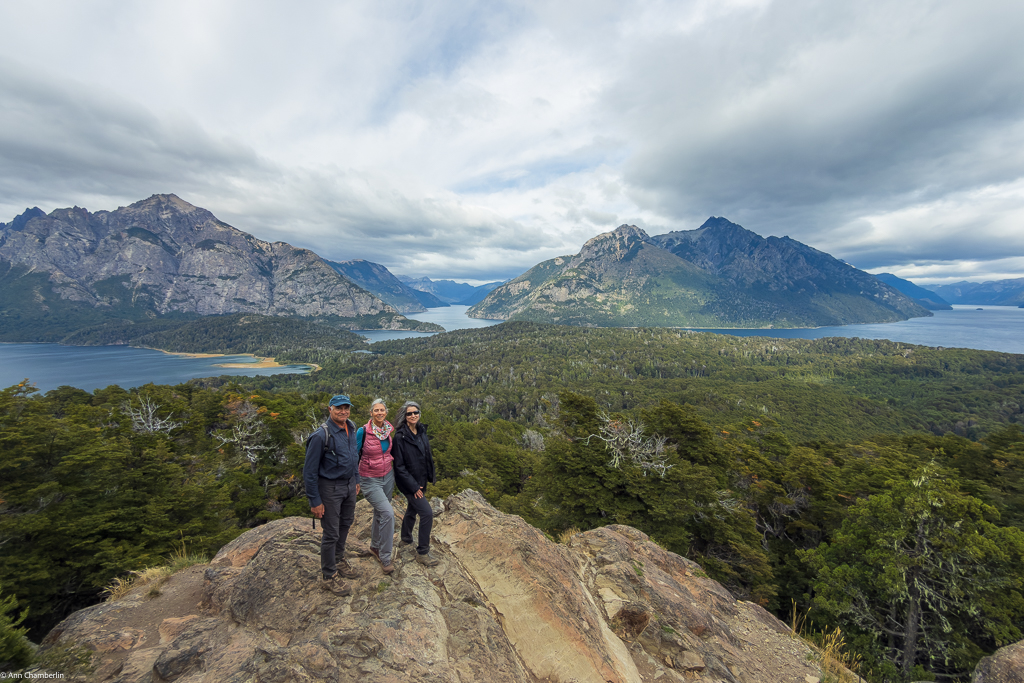
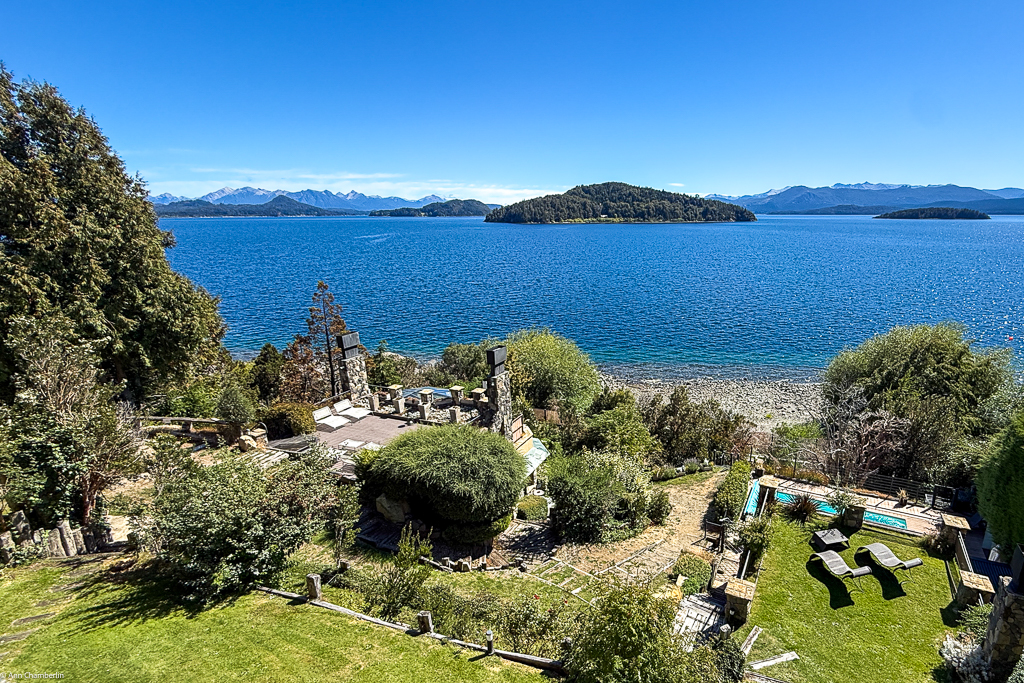
Sitting on the shore of a large lake, Bariloche is a year-round outdoor destination. In the summer, there’s hiking, fishing, boating, and all manner of water sports. In the winter, South America’s largest ski resort is nearby.
The town is also a rite of passage of sorts for high school students. Every Argentinian we asked had traveled to Bariloche to celebrate their high school graduation. Coming from every corner of the country, they almost all had traveled by bus, which in this big country often meant trips of over 36 hours.
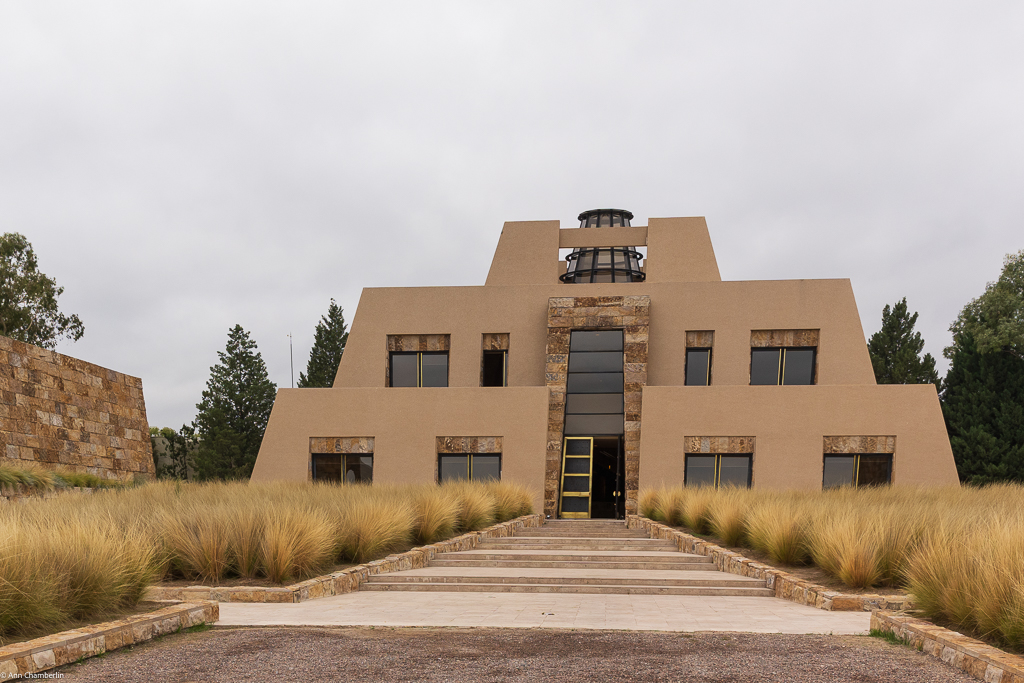
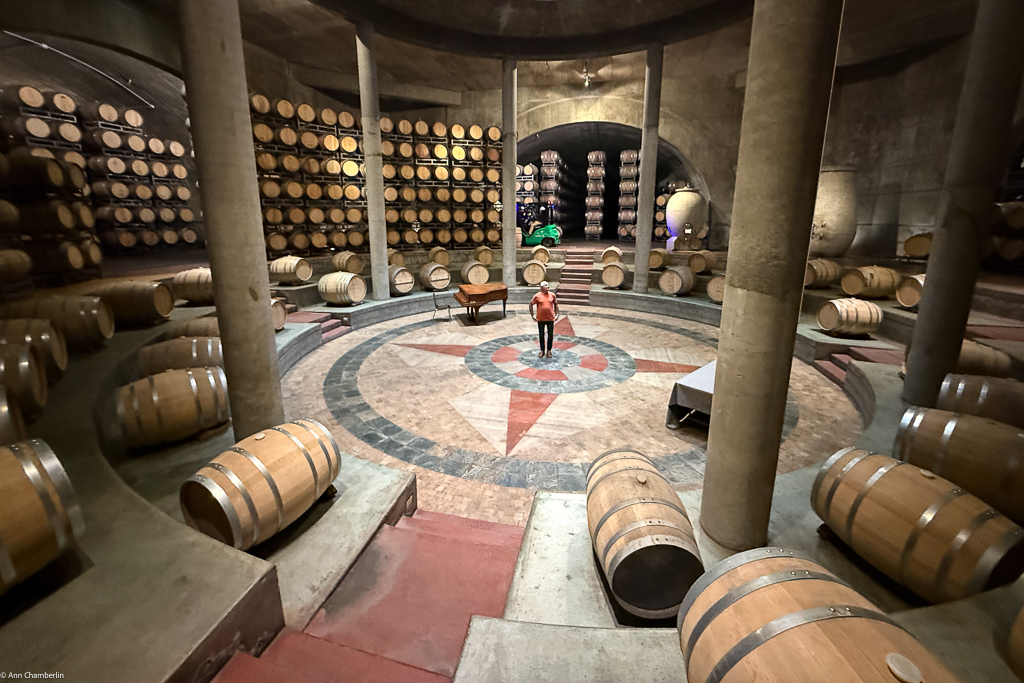
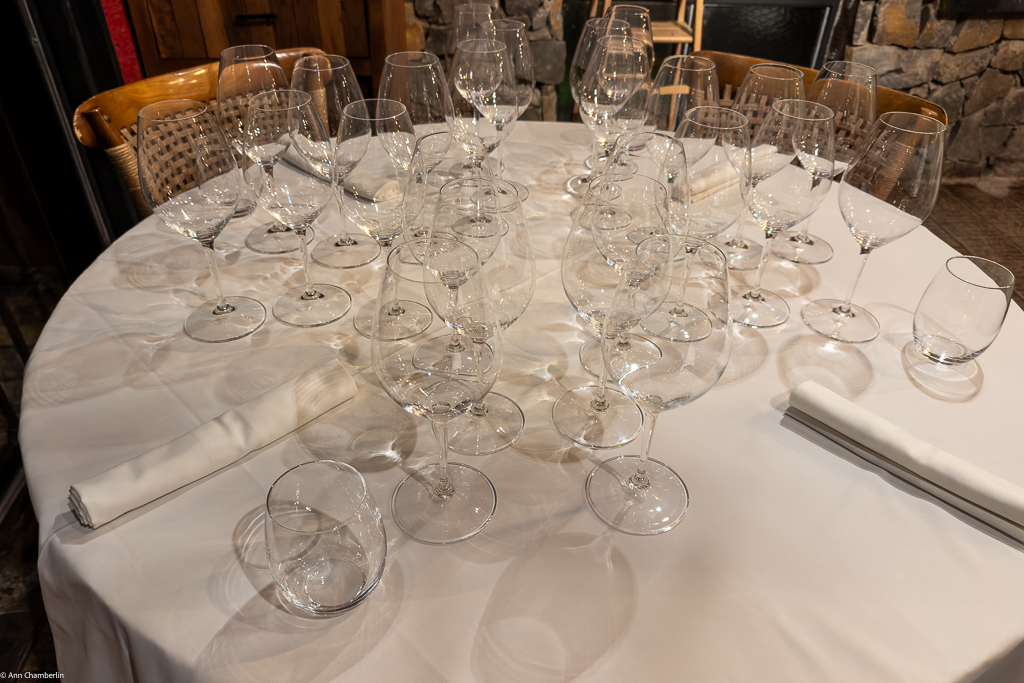
Mendoza
Continuing north from Bariloche, our next stop was Mendoza, the heart of Argentina’s wine industry. 1500 miles north of Ushuaia, we had finally left Patagonia behind. Sitting at the same latitude as the world’s great deserts, the Mendoza region resembles the Southwestern US or parts of the Sahara Desert. The city of Mendoza sits at the base of the Andes and is not far from South America’s highest mountain, Aconcagua.
Beyond wine, the region is also popular with adventure travelers, as it offers mountaineering, hiking, rafting, and horse riding. During our time in Mendoza, we decided to sample a bit of both types of activities.
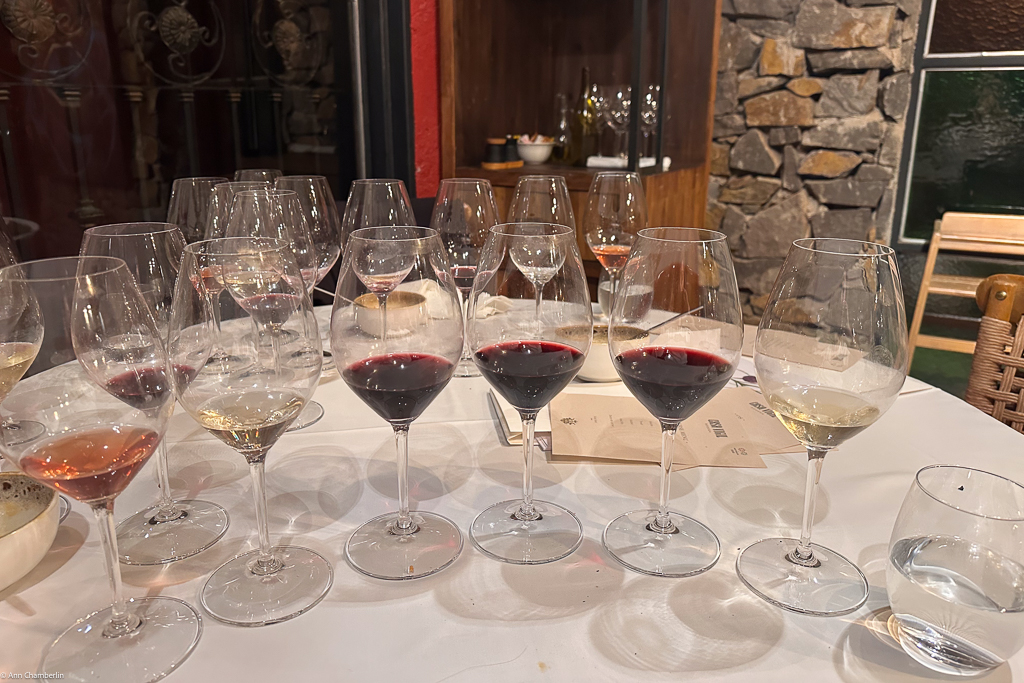
Malbec, Argentina’s Gift to the Wine World
Argentina has been producing wine for hundreds of years. Like many countries, most of the wine produced was made for local consumption as simple table wine. That all started to change in the 1970s. Seeing what was happening in the Napa Valley and other places, a pioneering winemaker, Nicolas Catena Zapata, decided to invest in improving his wine to compete on a world stage. Though they were growing many different grape varieties, he ultimately settled on Malbec as a focus for his efforts. Through experimentation and innovation, Argentina today is known for its world class Malbec wines.
The Andes, Again
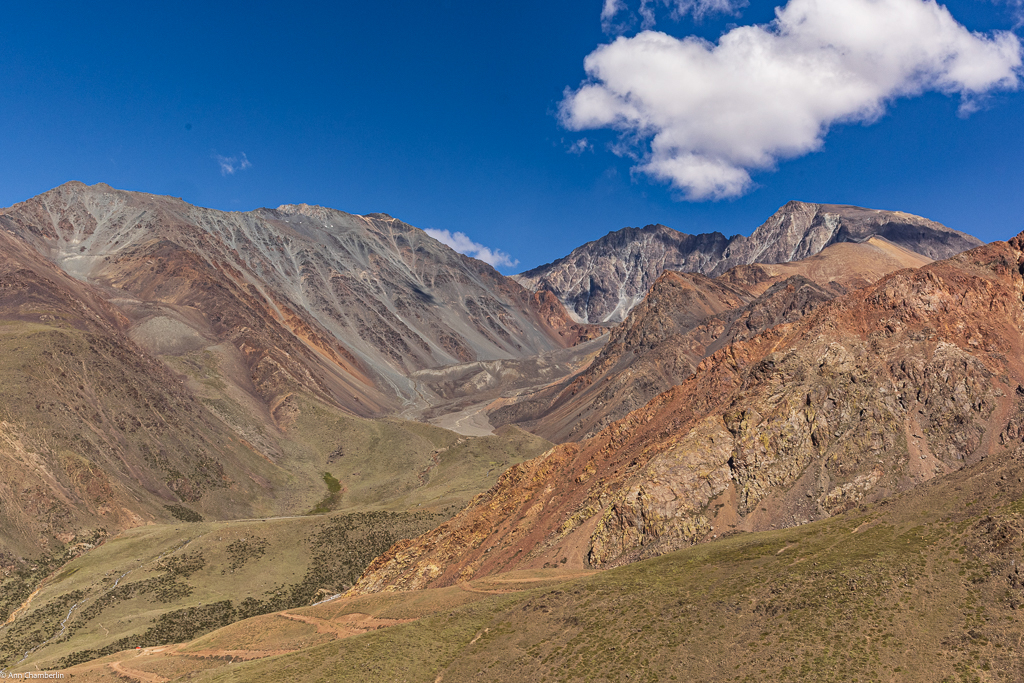
The Andes Mountain range makes up the entire western border of Argentina. Running over 2000 miles, from the arid desert of the northwest, to the glaciers of Tierra Del Fuego, the climate changes dramatically as you travel along its length. The highest peaks are in the northern section, with Aconcagua, South America’s highest mountain, topping out at nearly 23,000′.
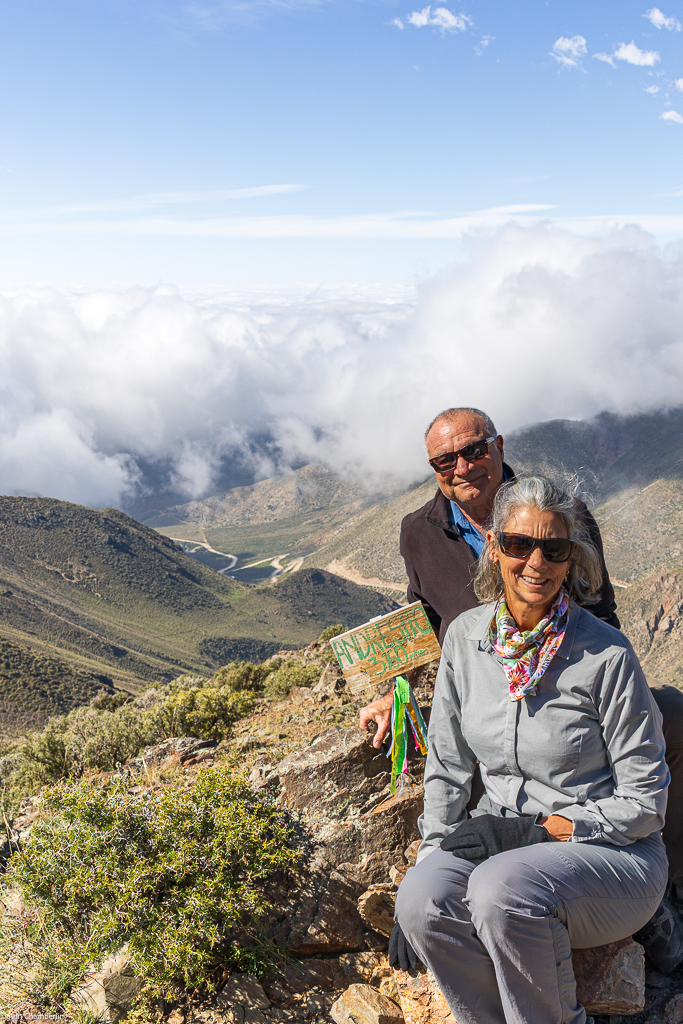
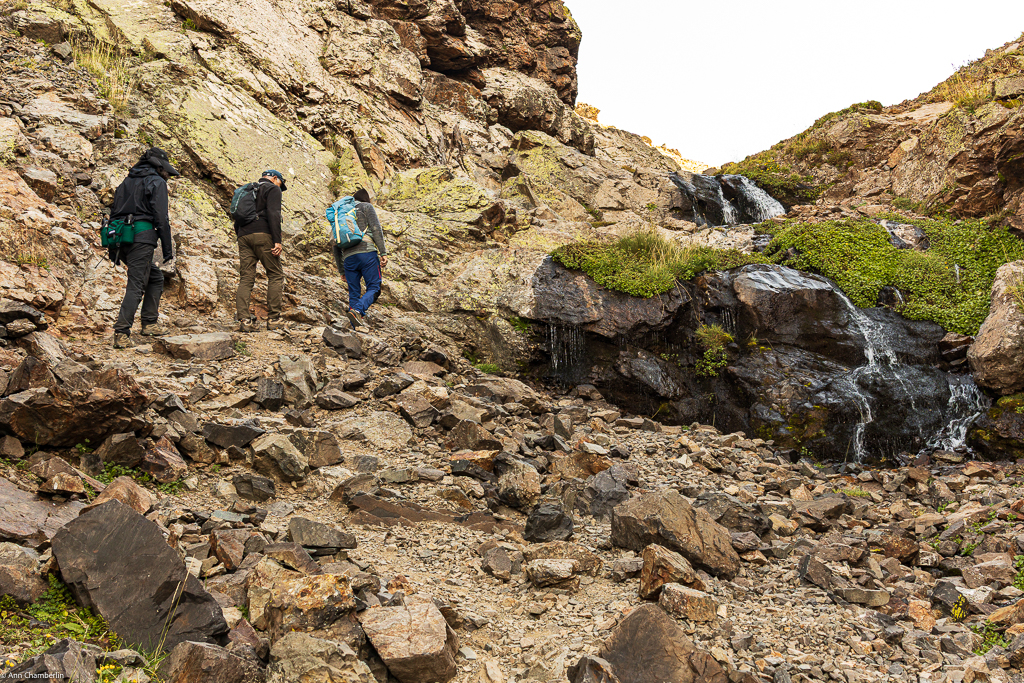
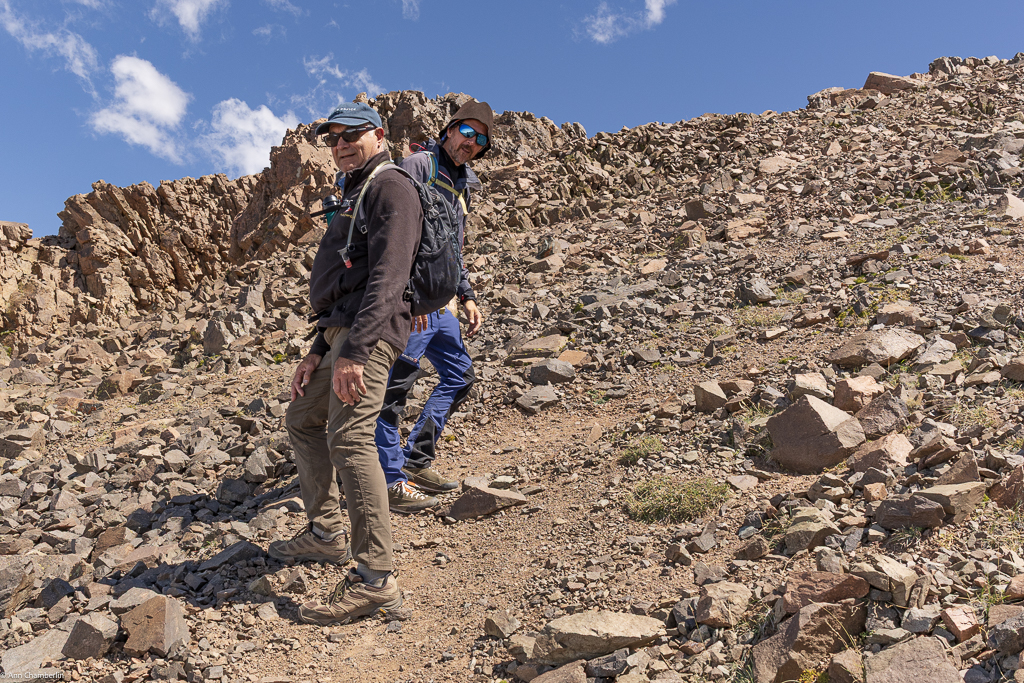
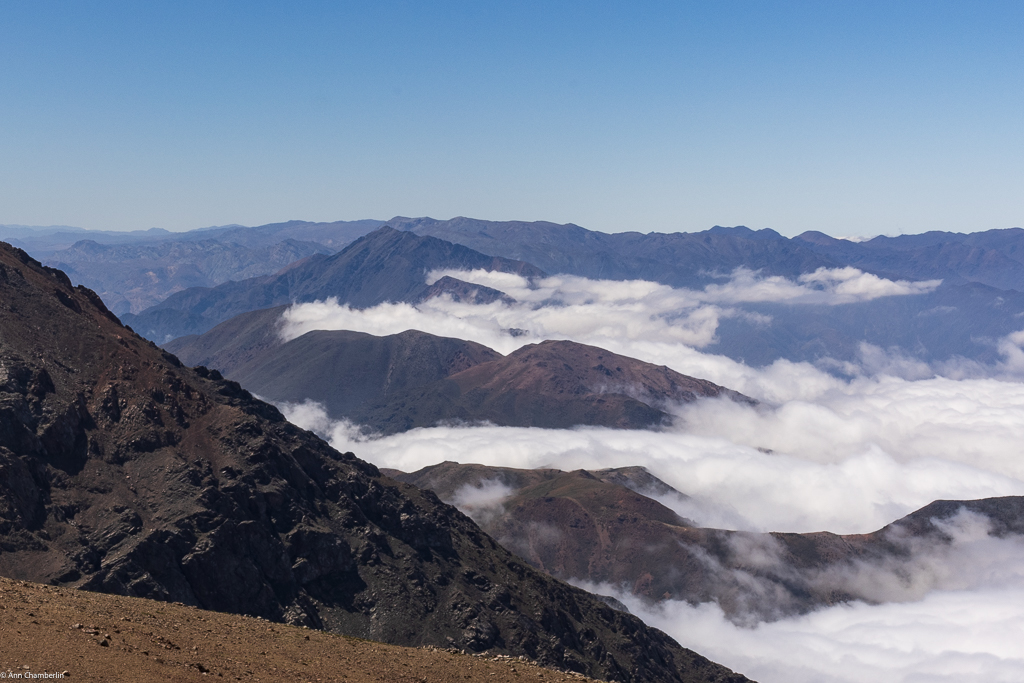
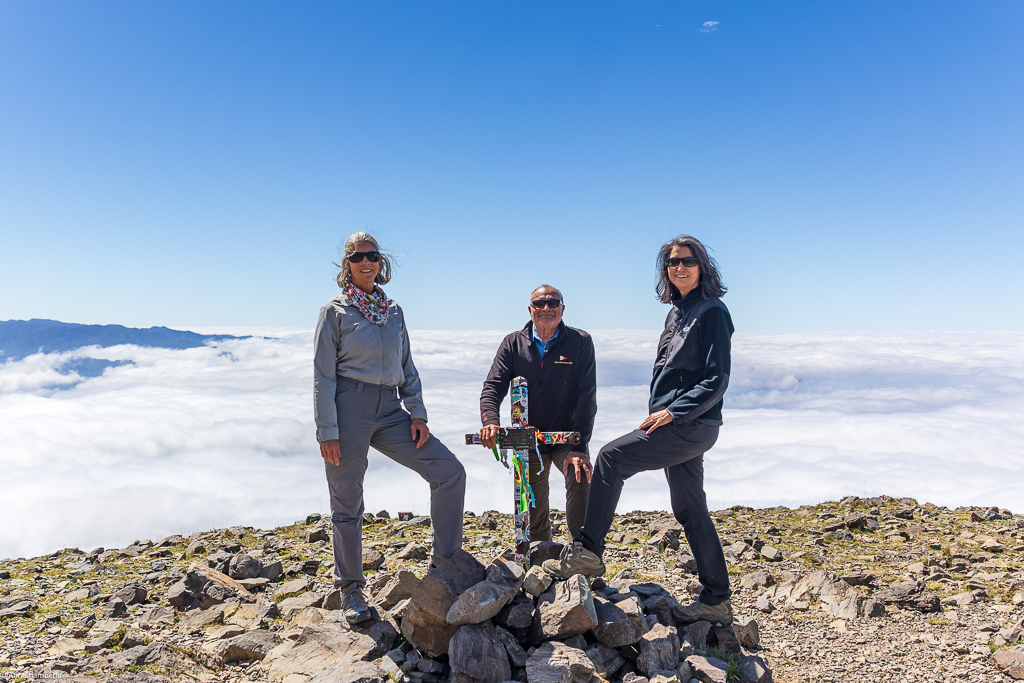
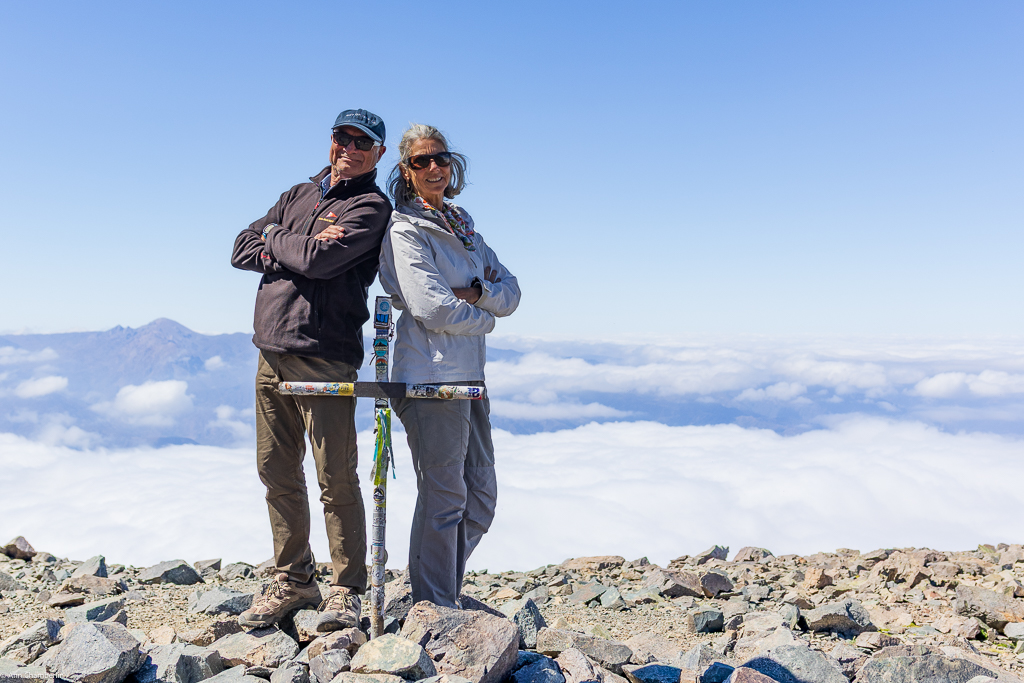
When we were planning our visit to the area, the first proposal we received was for an “easy” hike, but one with views of Aconcagua along the way. Instead, we opted for something a little more challenging. The hike we selected involved climbing to 3 peaks. Though it was much shorter than the hikes we had done in Patagonia, this one started at an altitude of 9500′ and topped out at 12,000′, with some very steep grades along the way.
The final summit was well worth it. With condors circling overhead, and clouds below, we felt we were on top of the world.
West Central Argentina
In the central part of Argentina, we’re now seeing very different things than in Patagonia. Bariloche is understandably popular for its beautiful scenery and many outdoor activities. While the town itself isn’t particularly interesting beyond its unique architecture, the surrounding lakes and forests make it worth a visit.
For foodies and wine lovers, Mendoza is a must visit stop in Argentina. There are hundreds of wineries in the area that can be visited, as well as more Michelin rated restaurants than in Buenos Aires. The spectacular mountains in the area are also compelling.
For us, it’s time to keep going north. Next stop, Salta.