
Argentina From South to North – Part 1- The End of the World
It’s a Big Country, But You Have To Start Somewhere
Argentina has always been high on our list of places we wanted to visit. For me especially, the draw was the excitement of Buenos Aires and the wild beauty of Patagonia. Once we started planning a trip to Argentina in earnest, we quickly discovered two things. First, theres a whole lot more to Argentina than Buenos Aires and Patagonia. And second, Argentina is a BIG country.
Ultimately, we ended up with a nearly month long itinerary that would have us essentially making a complete clockwise loop of the country, with nine stops along the way. After a quick layover in Buenos Aires, our first stop was Ushuaia, deep in the heart of Tierra Del Fuego.
Ushuaia, The End Of The World
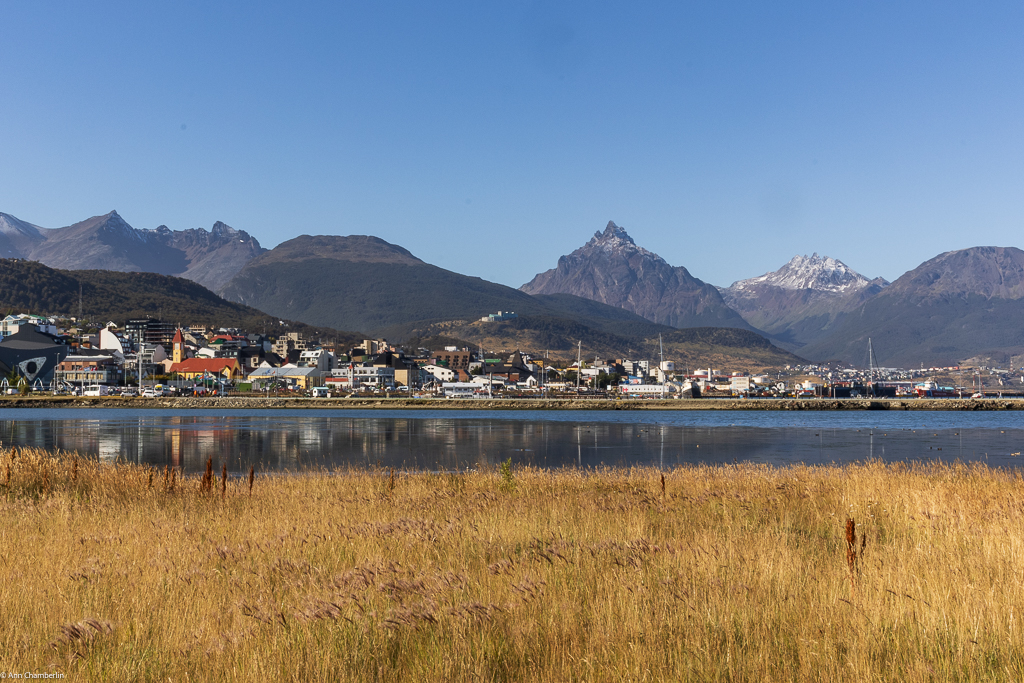
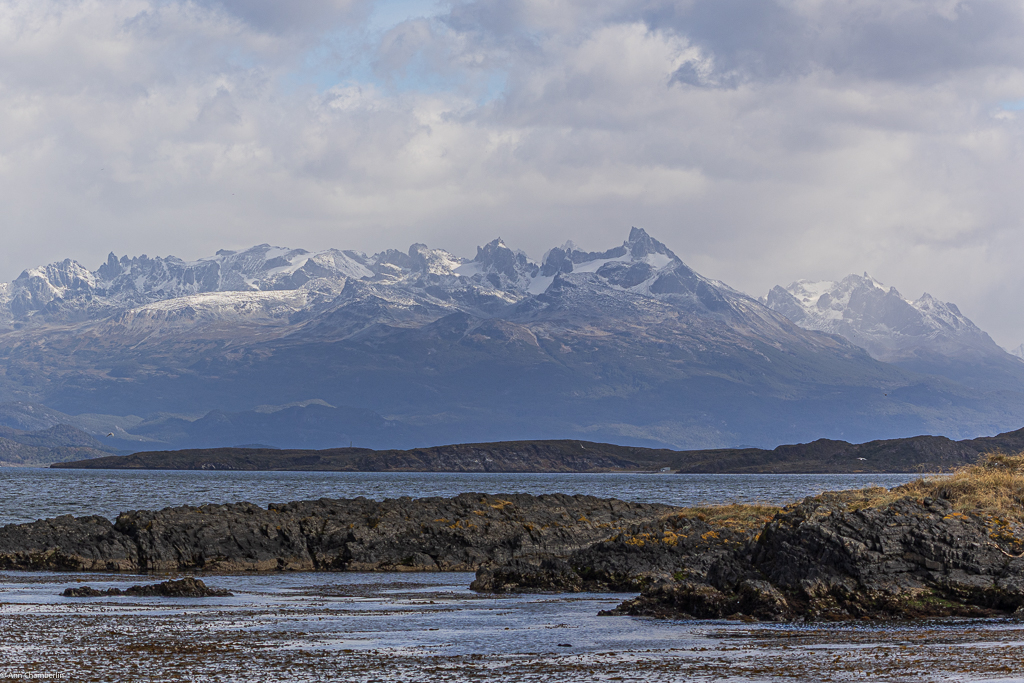
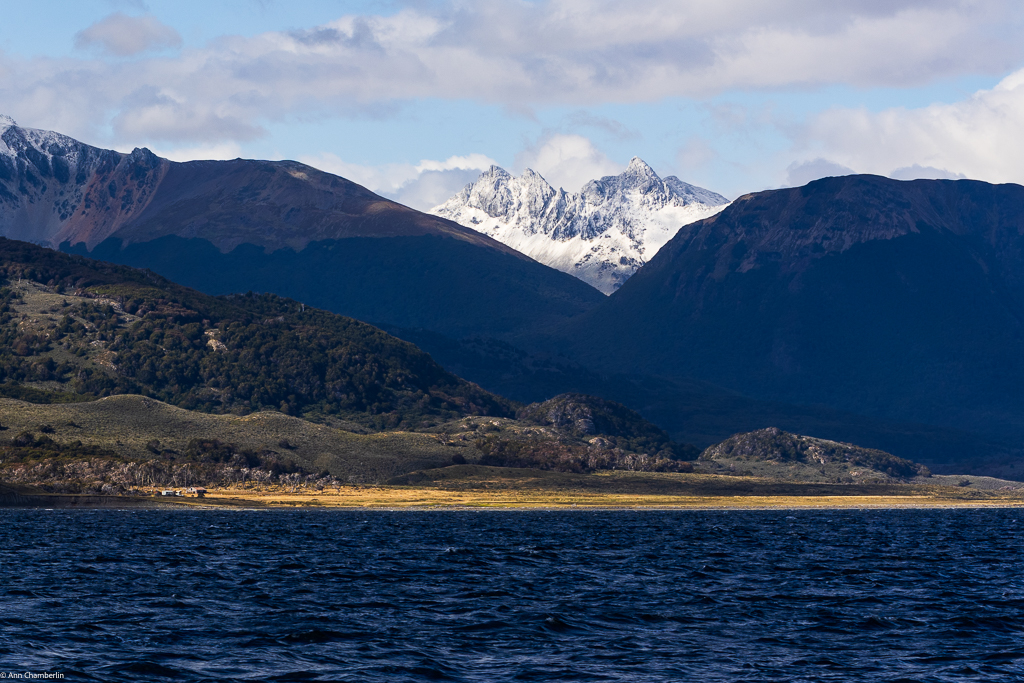
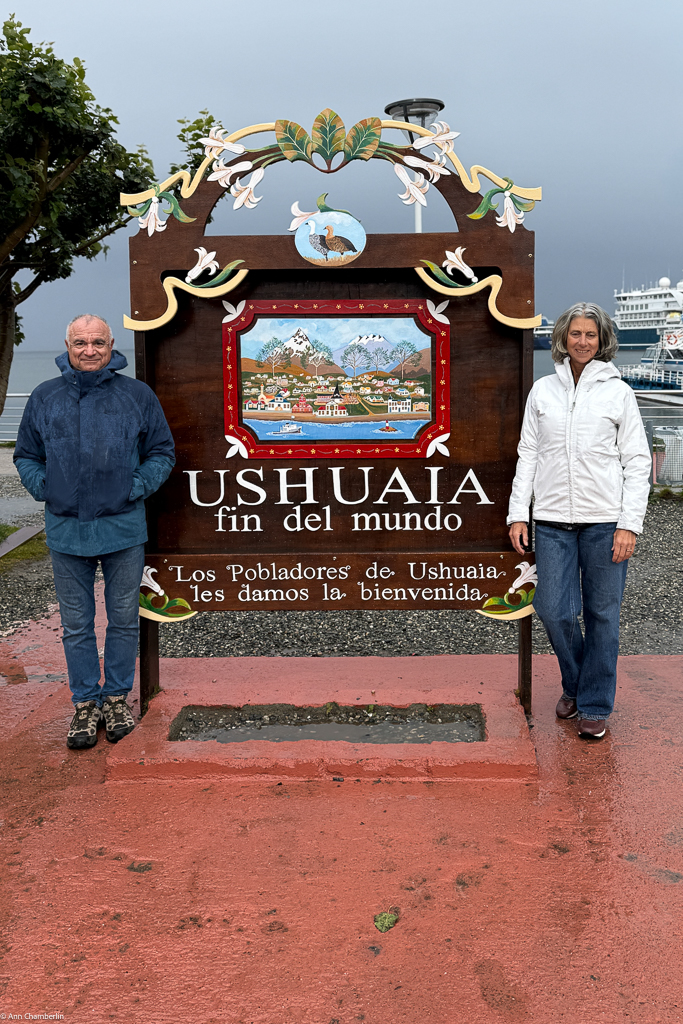
Ushuaia bills itself as the “end of the world”. There are few places anywhere as remote as Ushuaia. What little I knew about the place was mostly as the answer to the trivia question, “what’s the southernmost city in the world?”, or as the place where unlucky sailors ended up if they got into trouble trying to get around Cape Horn. But Ushuaia has penguins, and we wanted to see penguins, so off to Ushuaia we went.
Recent years have brought a lot of change to Ushuaia. First, Argentina started offering big incentives to companies and people to relocate there. The government wanted to increase their presence in Tierra Del Fuego to better assert their sovereignty in an area that has had numerous border disputes with Chile over the years. This has resulted in the population more than doubling in the last few years, to over 80,000 inhabitants today.
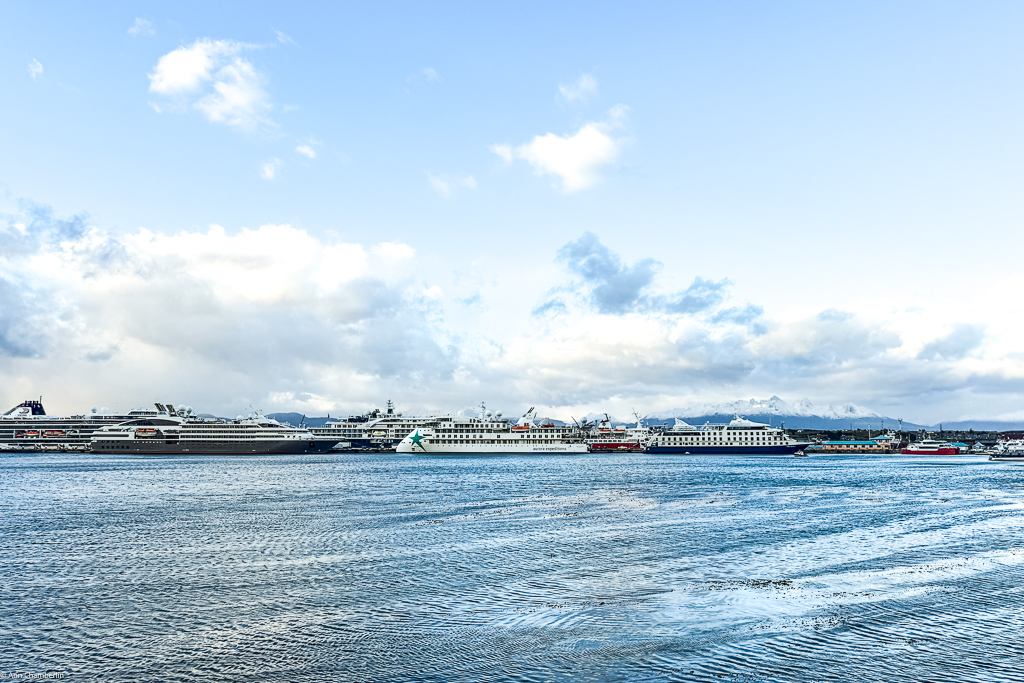
Second, the cruise industry opened Antarctica, and Ushuaia is now the major port of departure for cruise ships bound for Antarctica. In our few days there, we saw multiple cruise ships arriving and departing every day.
Penguins, Whales, and More
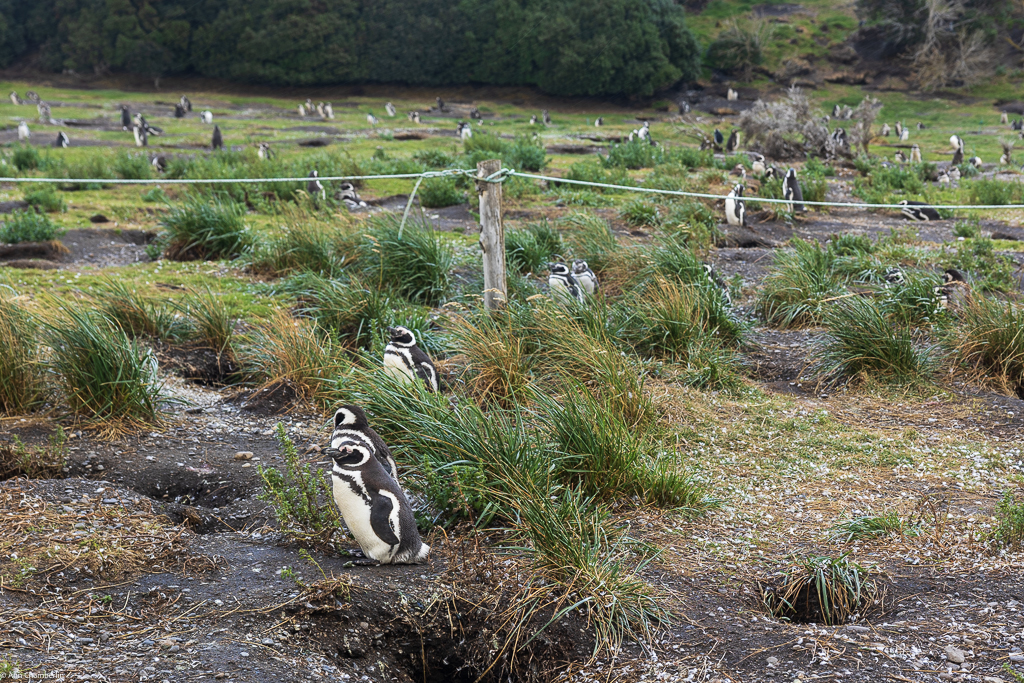
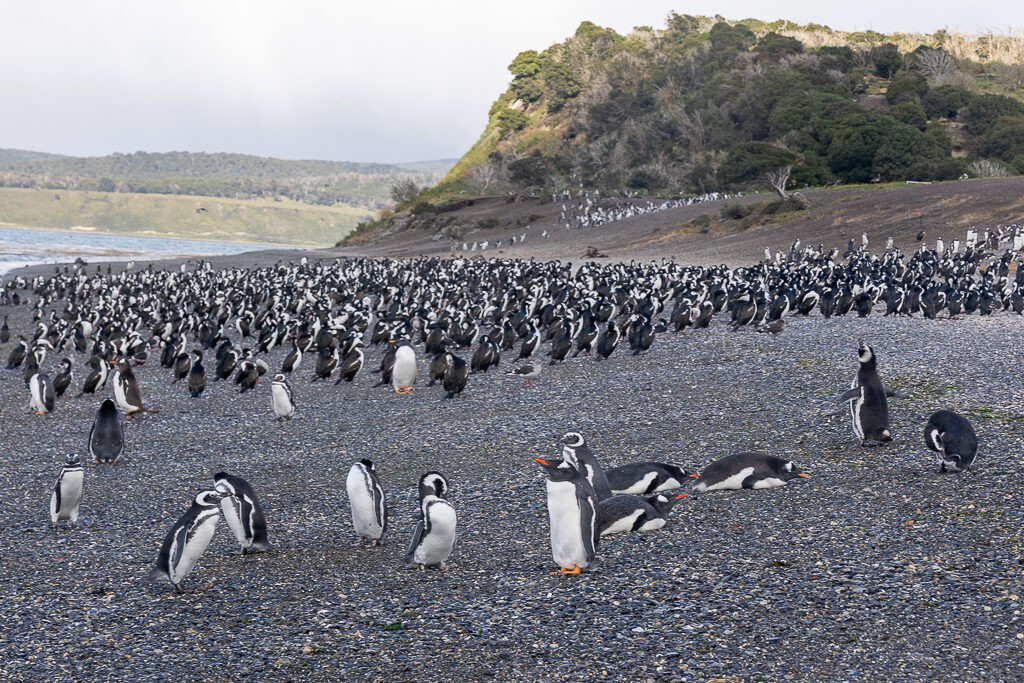
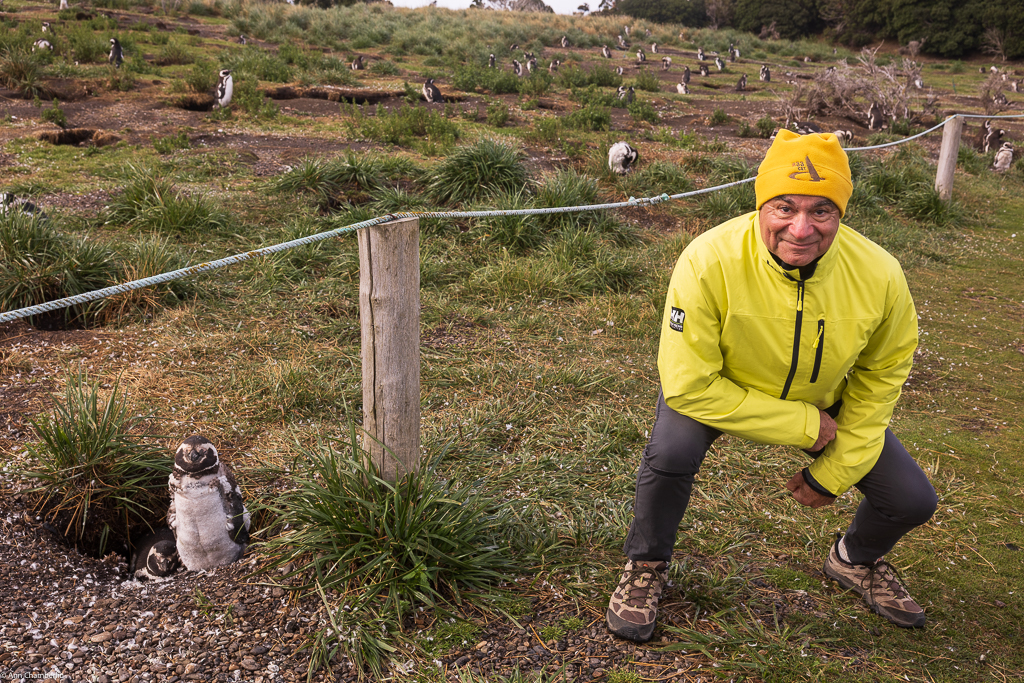
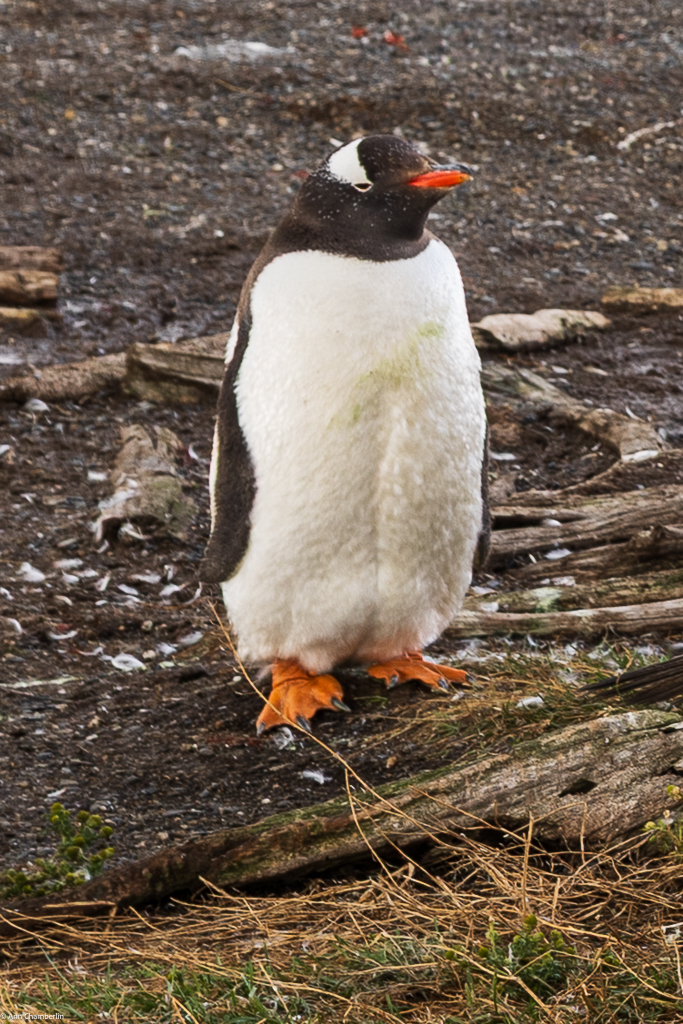
There are large penguin colonies on an island in the Beagle Channel not far from Ushuaia. The island is part of a ranch that used to raise sheep, until they realized it was much easier to just take tourists to see penguins. There are two options for seeing them. One option takes you on a boat, which then pulls up close to the shore of the island. You watch from a distance, but never leave the boat. The second option allows you to leave the boat and go ashore to walk among the penguin colonies. Naturally, we chose the second option.
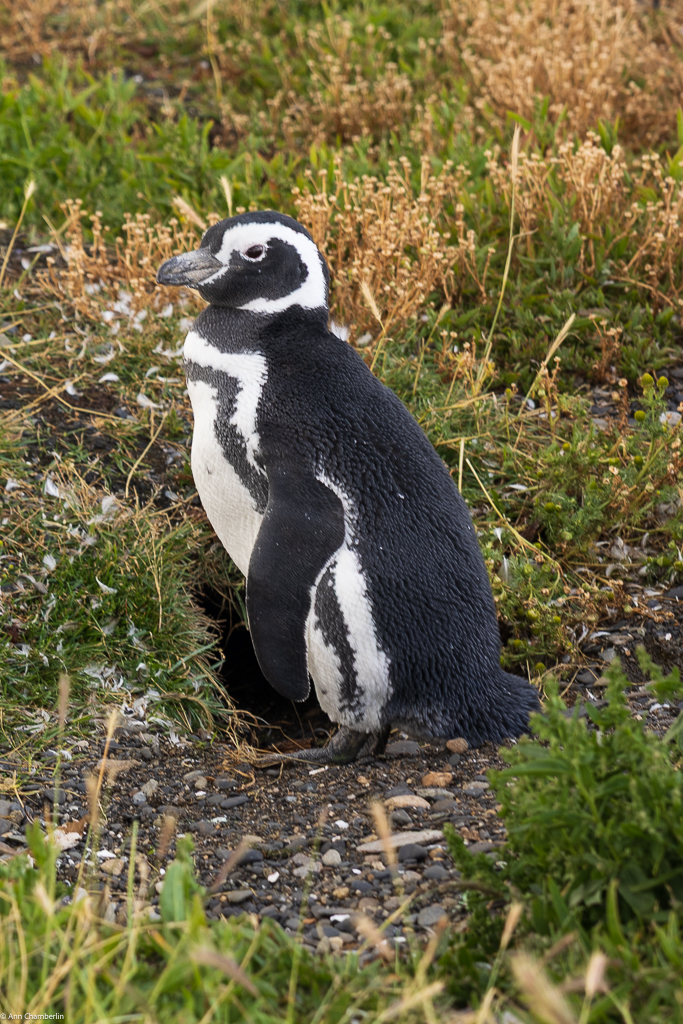
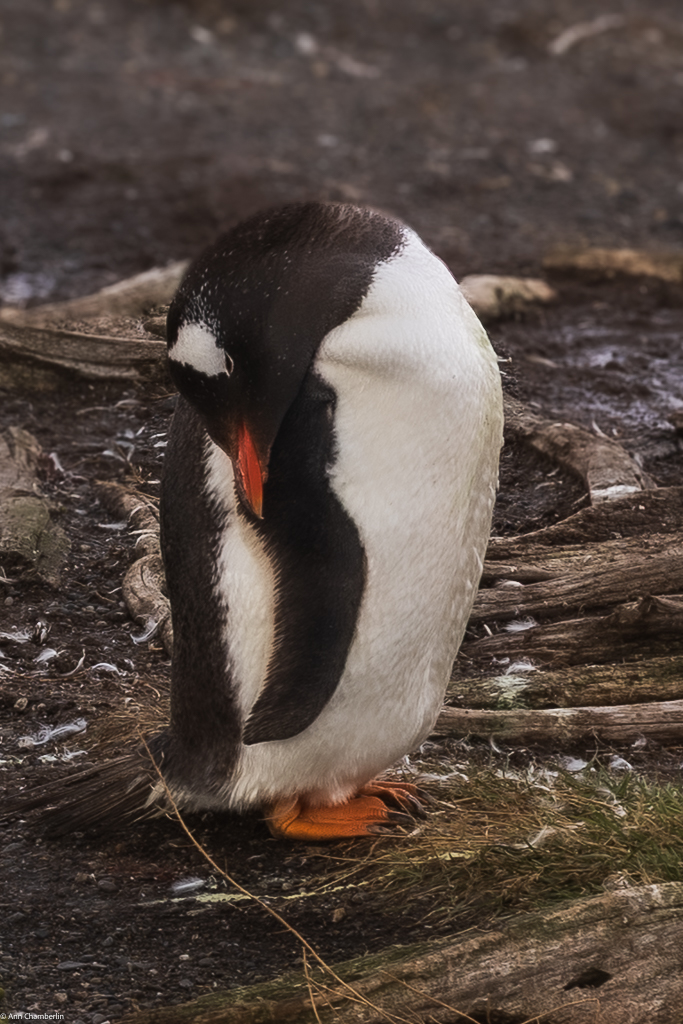
The little island had two kinds of penguins, the all black and white Magellanic, and the larger Gentoo, which have yellow beaks and feet. Lovers of animated films will recognize the Gentoo as the stars of “Penguins of Madagascar.”
Penguins spend most of their lives in the sea. They come ashore only to mate and hatch their chicks, and to molt their feathers. The penguins we saw were all there to molt, a process that can take several weeks. During that time, they cannot go in the water, and thus cannot feed. We were surrounded by hungry, cranky birds! With thousands of penguins molting simultaneously, the island was covered with millions of penguin feathers.
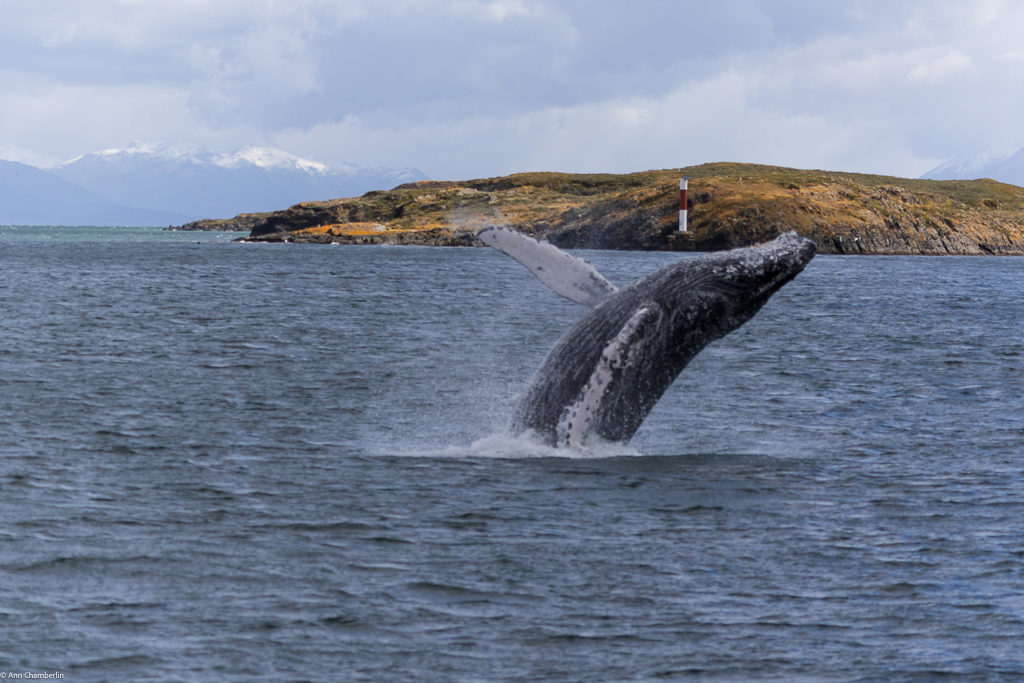
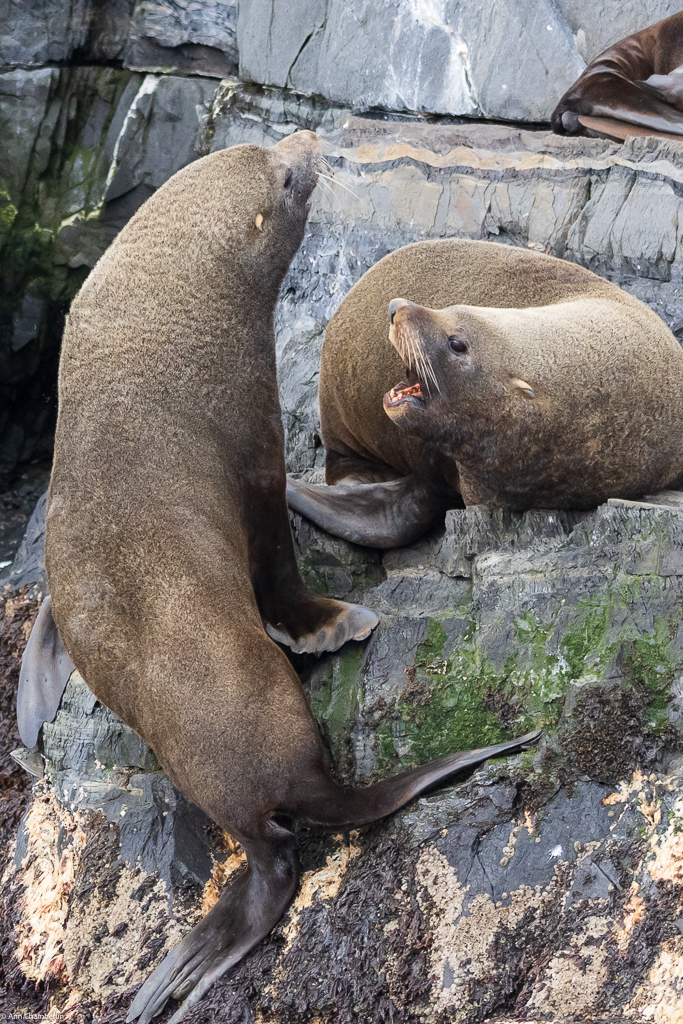
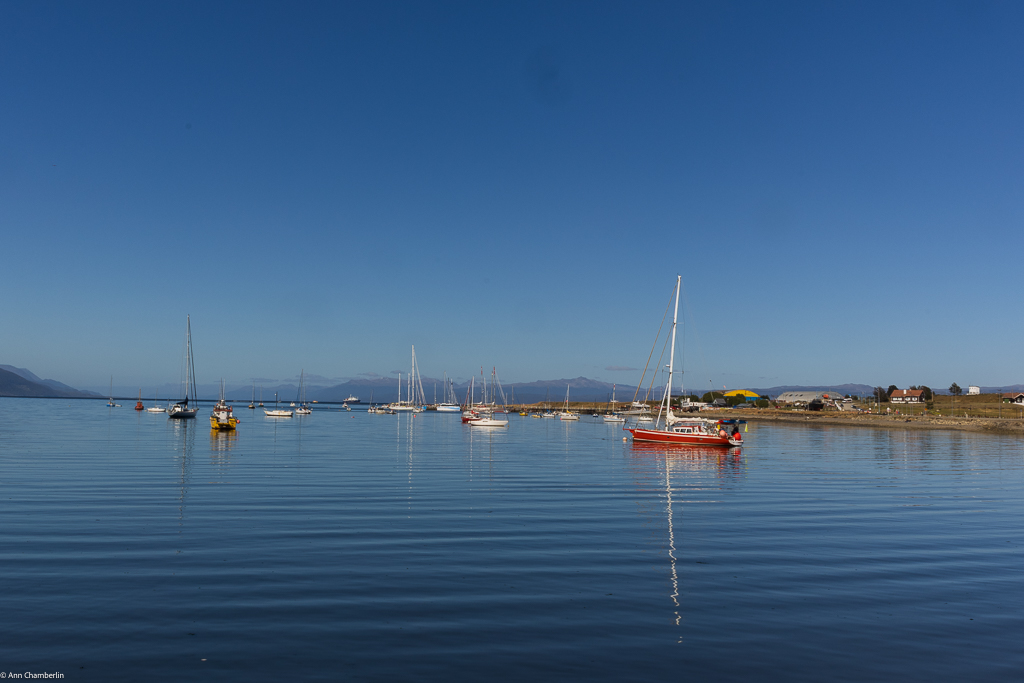
Throughout our trip, we had great luck with wildlife spotting. During our boat excursion in the Beagle Channel, we had the amazing good fortune to see a single humpback whale breach right next to our boat at least a dozen times. All this happened just a few hundred yards from shore. I think he was showing off for the tourists.
The Land of Fire
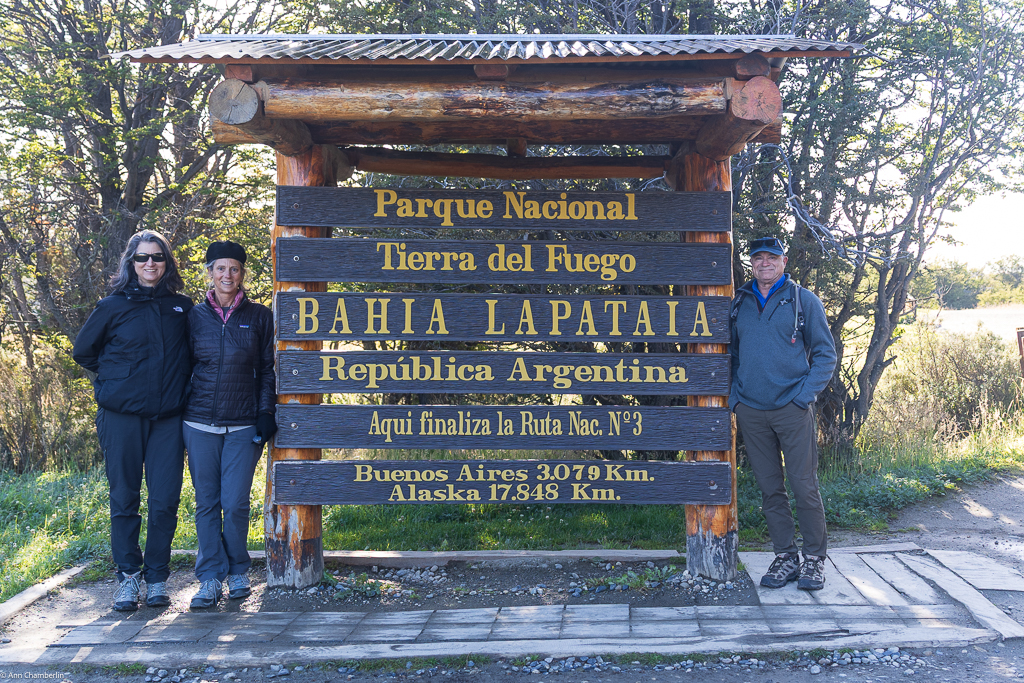
One day, we visited Tierra Del Fuego National Park. The park is a few miles west of town and sits on the border with Chile. We came to learn that Argentina placed many of their national parks on the Chilean border, partly as a way to establish a presence on the frontier and help monitor the border (remember what I said about lots of border disputes). The area was given its name by the first European explorers to visit. Every night they would see numerous fires ashore as they sailed past. The native people that lived there, the Yamaní, were merely trying to stay warm in their hostile environment.
The park is also where Route 3, aka the Pan American Highway, has its southern terminus. From there, you can drive, bike, or walk(!) all the way to Alaska, a bit over 11,000 miles away.
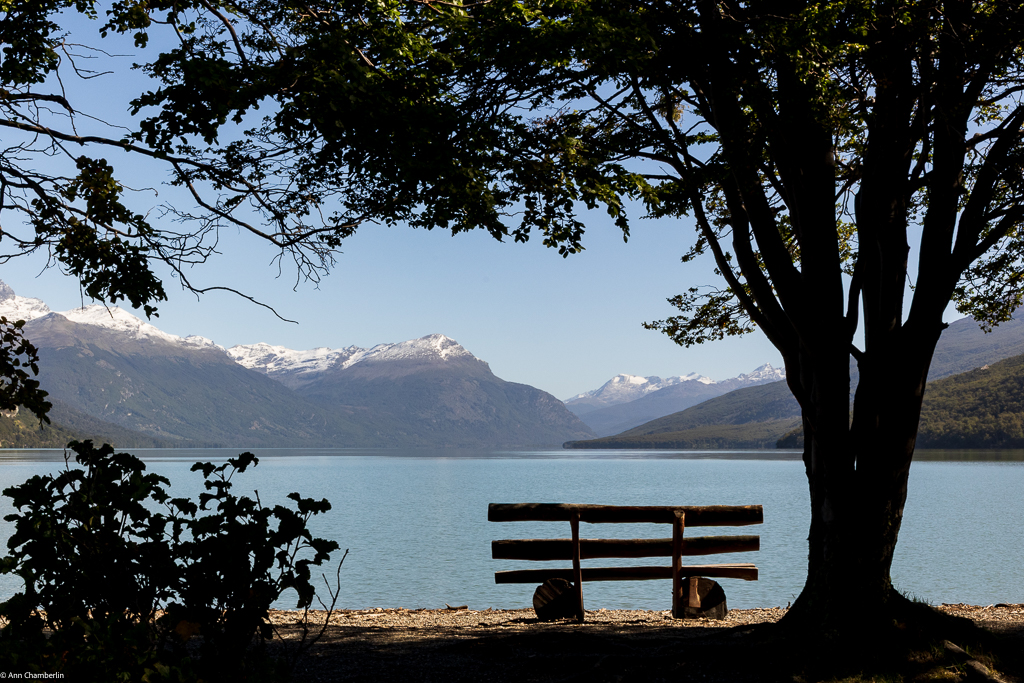
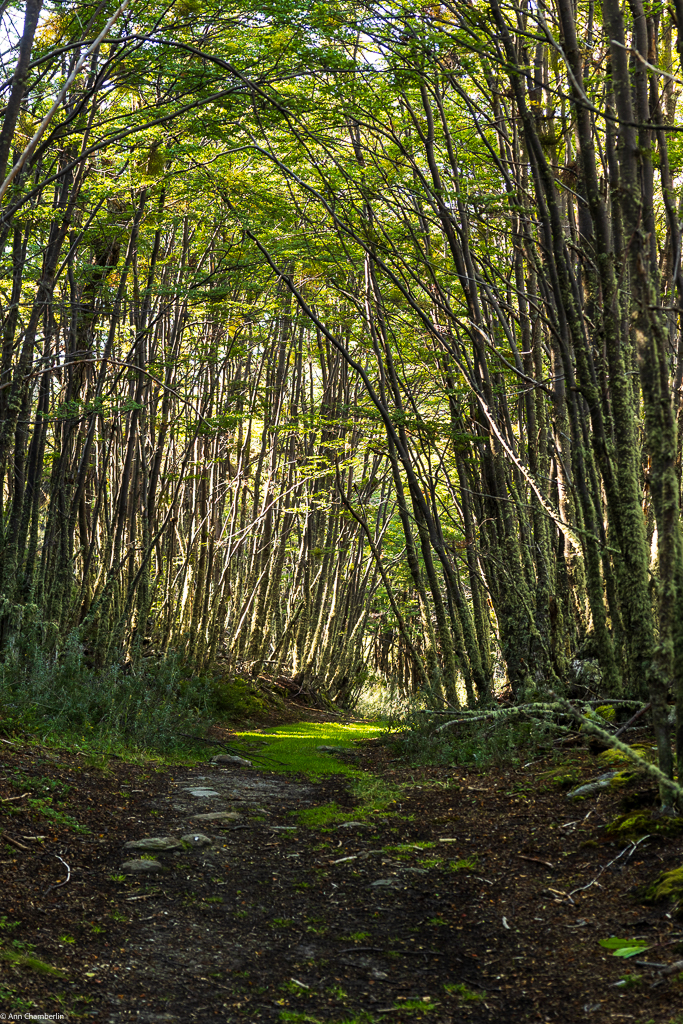
Contrary to what you might expect from the extreme latitude, rather than being a frozen tundra, Tierra Del Fuego is covered in thick forest. This is thanks to the moderating effect of the surrounding ocean. On our hike around the park, we mainly walked through dense forest land, though very little of it was old-growth forest, due to the extensive logging in the area over the last 150 years. What made the forest unique was to see time slow to a crawl. Again, because of the extreme climate, both growth and decomposition happen very slowly. Trees that looked like they had just fallen a week ago had in some cases been lying there for decades.
It May Be The End Of The World, But It’s Still Worth a Visit
Tierra Del Fuego is an island, with no land connection to the rest of Argentina. It is adjacent to Patagonia, but we felt it was very different from its northern neighbor. It is a world of its own, physically, culturally, and spiritually.
In the few days we were there, we saw amazing wildlife and scenery. We also enjoyed the frontier feel of the town of Ushuaia, despite the growing kitsch from serving the cruise industry. We would definitely recommend it to anyone planning an Argentina itinerary.
Click on a photo below for a slide show of all images


Sorry, the comment form is closed at this time.
Michael Potter
Great blog! Gorgeous photos!! Looks amazing!!
Cinna Schilling
Love the write-up and the photos are gorgeous! What a fabulous trip!!
Anonymous
Beatiful People!!